Weather and climate in Croatia
When to go and what to expect in each season.
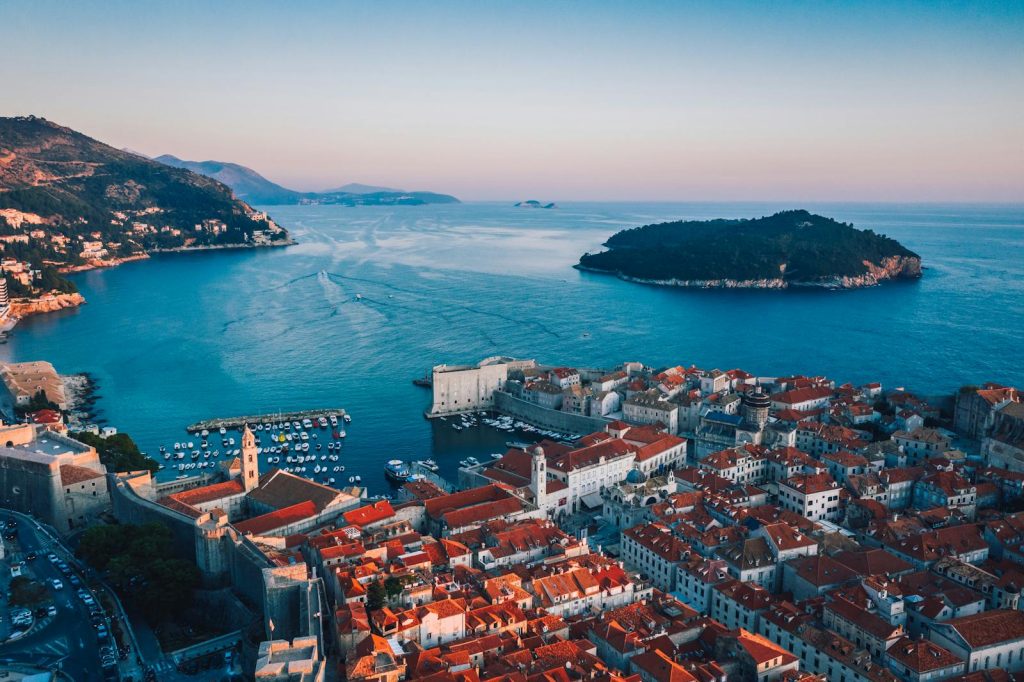
Introduction
Weather is one of the main reasons so many people come back to Croatia every year: plenty of sunshine, warm summers, and long evenings by the Adriatic. At the same time, the climate varies by region – conditions differ along the coast and islands, further inland, and in the mountain areas. On top of that, Croatia’s typical winds can change how the temperature feels and affect waves, ferries, or beach comfort. This guide will help you understand how Croatia’s climate works in practice: when the weather is best for the beach, when it’s best for sightseeing and activities, and how to plan your trip to avoid disappointment. It’s the ideal “Weather and Climate” page – quick, concrete, and useful.
A quick overview
Croatia has a few climate zones: along the Adriatic, a Mediterranean climate dominates (hot summers, milder winters), while further inland the climate is more continental (bigger temperature swings between seasons). In practice, this means coastal summers are dry and sunny, but July and August can get very hot, especially in towns with stone architecture. The most reliable holiday weather usually falls between June and September, while spring and autumn are great for sightseeing and road trips, since temperatures are more pleasant and crowds smaller. Winds (such as the bora and jugo) are also an important part of “Croatia’s weather,” and can affect sea conditions and how the temperature feels.
TOP: what to know about Croatia’s weather and climate
1) The coast and islands: plenty of sun, hot summers, warm evenings
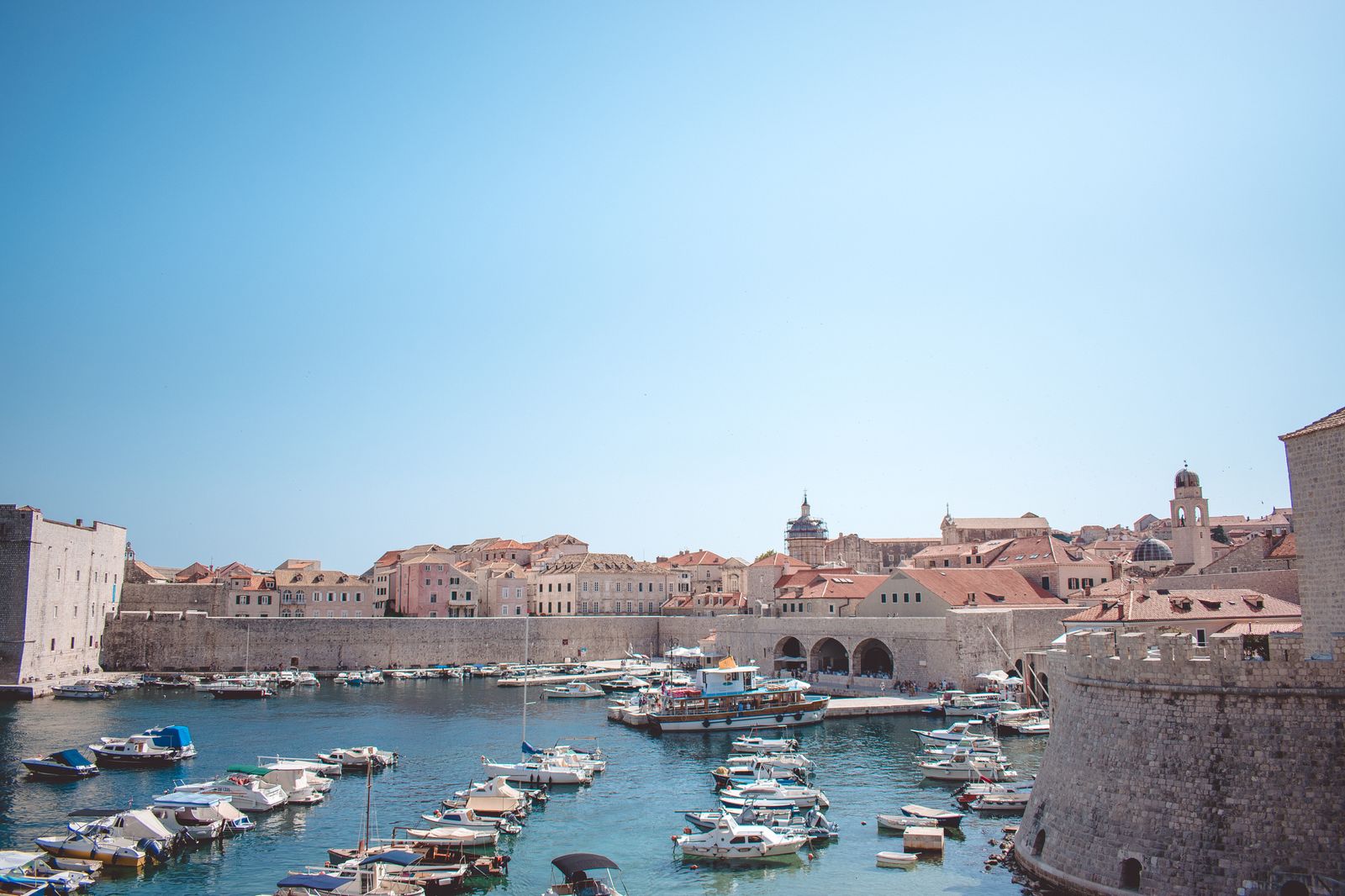
Along the Adriatic the holiday season is long, and the weather is often stable – good news if you’re planning to spend time at the beach. In summer, days are very sunny, and evenings are usually pleasant, making for great walks around old towns and dinners by the harbour. In July and August it can get really hot though, especially in towns (stone holds heat), so it’s best to plan activities in the morning and late afternoon. Microclimates matter for comfort too: bays tend to be calmer, while the open coast tends to catch more wind.
2) Inland Croatia: more continental and changeable
If you’re planning to visit Zagreb or the inland regions, expect weather closer to what you’d find in Central Europe. Summers can be warm but not always as “coastally stable,” and winters are colder than on the coast. That matters if you’re combining a city break with a trip to the Adriatic – in one journey you can experience two different climates. Spring and autumn here are often a great time for sightseeing and walks.
3) Swimming season: when the sea is warmest
For many people the key question is: “when is the water best for swimming?” The sea is usually warmest in July, August, and September, since the Adriatic warms up gradually and holds its temperature well after summer. June can already be great for the beach, but water temperature can depend on the region and that year’s weather. If you want the warmest water combined with smaller crowds, September is one of the best choices.
4) Spring and autumn: the most comfortable time for sightseeing and activities
If you’re planning more than just the beach – old towns, national parks, viewpoints, a road trip – spring and autumn can be ideal. There’s none of the peak-summer heat, walking is easier, and exploring cities is simply more pleasant. It’s also a good time for family trips, since kids tire less from the heat and it’s easier to keep a relaxed daily pace. It’s often cheaper too than in peak season.
5) Winds: bora and jugo – why the weather sometimes “changes”
Winds play a big role in Croatia, affecting how warm it feels, the waves, and sea conditions. Sometimes you’ll have a warm day, but a stronger wind will make it feel cooler, especially in the evening. Winds can also affect boat trips and ferry crossings – so if you’re planning to visit the islands, it’s worth having a plan B in case conditions worsen. It’s normal for coastal weather to be dynamic, especially in the shoulder seasons.
6) Summer heat: how to plan your day so the holiday doesn’t wear you out
In July and August, heat isn’t the exception – it’s part of the climate. A simple routine works well: sightseeing or activities in the morning, a break at midday (shade, lunch, rest), then the beach and walks in the afternoon. If you’re travelling with children, shade and staying hydrated make a huge difference to the whole day. It’s also worth remembering that stone old towns heat up more – so evening sightseeing is often more pleasant than at midday.
Practical section: planning your holiday around the weather
1) The best time to go – depending on your goal
If you mainly want beaches and swimming
Usually best are June, July, August, and September, and if you want the warmest possible water – August and September.
If you want to sightsee and walk around towns
May, June, September, and October tend to be the most comfortable – less heat and usually fewer crowds.
If you want a road trip and outdoor activities
Choose spring and early autumn, since the temperatures suit longer routes, hikes, and national parks.
2) What to pack so the weather doesn’t catch you off guard
- in summer: SPF cream, a hat, sunglasses, a water bottle, a UV shirt (great for kids)
- for the evening: a light sweater or windbreaker (the sea breeze can surprise you)
- for bays and rocky beaches: water shoes
- spring/autumn: layers, a light windproof jacket, and comfortable walking shoes
3) A plan B for bad weather (especially off-season)
If you run into a windier day or a passing shower, there’s still plenty to do in Croatia: museums and old towns in the bigger cities, cafés and local cuisine, scenic routes, tastings (olive oil, wine in Istria), and quiet walks. The best strategy is not to plan your whole trip “around the beach,” but to mix activities. That way even a weaker day won’t spoil the holiday.
4) How to check the forecast “smartly”
Instead of just looking at the temperature, also check:
- wind (important for beaches and ferries),
- cloud cover (affects comfort and photos),
- rainfall (a passing shower or an all-day one). It’s also worth comparing the forecast for a few spots in the region – sometimes driving just 30–60 km is enough to find better conditions.
Summary
Croatia’s climate is one of its biggest assets: plenty of sun, a long season, and great conditions for an Adriatic holiday. The best beach weather is usually from June to September, while spring and autumn are ideal for sightseeing, road trips, and activities without the heat. If you plan smart – picking your dates to match your goal and having a simple plan B – Croatia is a “weather-safe” destination where it’s easy to have a great holiday. And once you experience an evening by the sea with a warm breeze and a sunset, you’ll quickly understand why it’s a country people keep coming back to.
Looking for a place to stay in Dalmatia?
Verified apartments, no commission
Discover more inspiration for an unforgettable holiday in Croatia with Adriamore
Since you’re here, read this one too. We hope this article was useful — and if you feel like reading a bit more before you close the tab, these articles keep a similar vibe.