About Croatia
The basic facts about the country you’ve chosen for your holiday.
Four things worth knowing before you go
Introduction
Croatia has for years been one of Europe’s most popular holiday destinations – and it’s easy to see why. It has everything you want from a holiday: a crystal-clear Adriatic, hundreds of islands, stone towns, great food, and landscapes that could pass for postcards. At the same time it’s a genuinely diverse country: quiet Istria is different from the island-studded Dalmatian coast, and both are different again from the green, mountainous interior. This is a practical “introduction to Croatia” – built to help you quickly understand what to expect and how to plan your trip. No fluff, just the concrete details and tips that actually make a holiday easier.
History in brief
The coast of present-day Croatia was first settled by the Illyrians, then became part of the Roman Empire — a beautifully preserved Roman amphitheatre still stands in Pula today, and Split’s old town centre sits within the walls of the former palace of Emperor Diocletian. For centuries the coast was ruled by the Venetian Republic, which is still visible in the architecture of Istria and Dalmatia, while Hungarian and Austrian influence dominated further inland and to the north. The 20th century brought Yugoslavia, and Croatia has been an independent state since 1991 — it joined the European Union in 2013. This layered history is one of the reasons Croatian towns have such a distinctive, “built from many eras” atmosphere.
A brief overview
Croatia lies on the Adriatic Sea and combines a Mediterranean climate with the convenience of European travel. The coast is dominated by pebble and rocky beaches, clear water and countless bays and snorkelling spots, while inland you’ll find mountains, canyons and lakes. It’s a tourist-friendly country with good infrastructure and easy travel, and in summer everything runs in “holiday mode.” On the other hand, it’s worth keeping seasonality in mind: July and August are peak crowds and prices, while spring and autumn are quieter and often more comfortable.
Top things to know about Croatia before you go
1) Croatia’s regions – where to go and how they differ
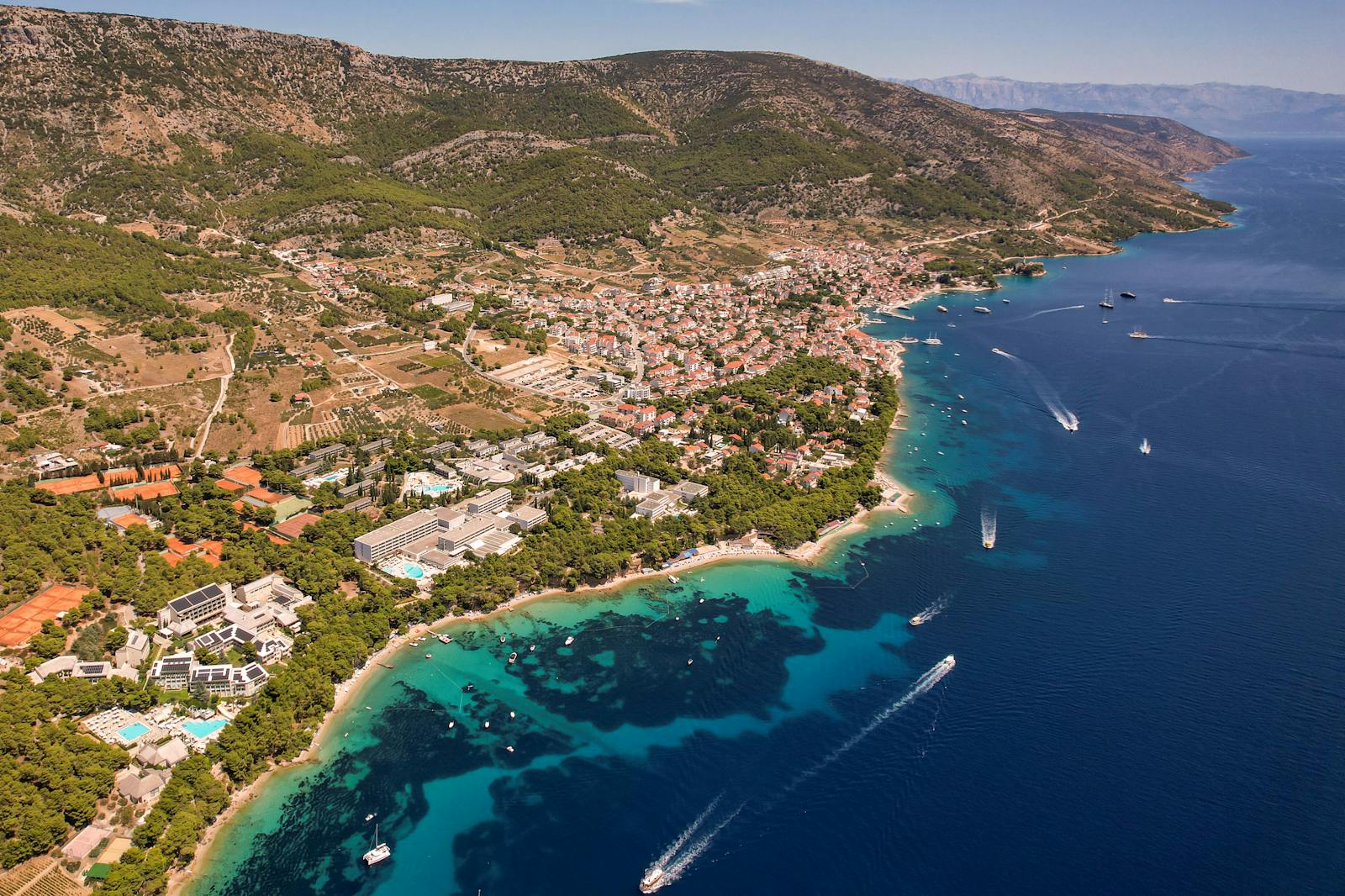
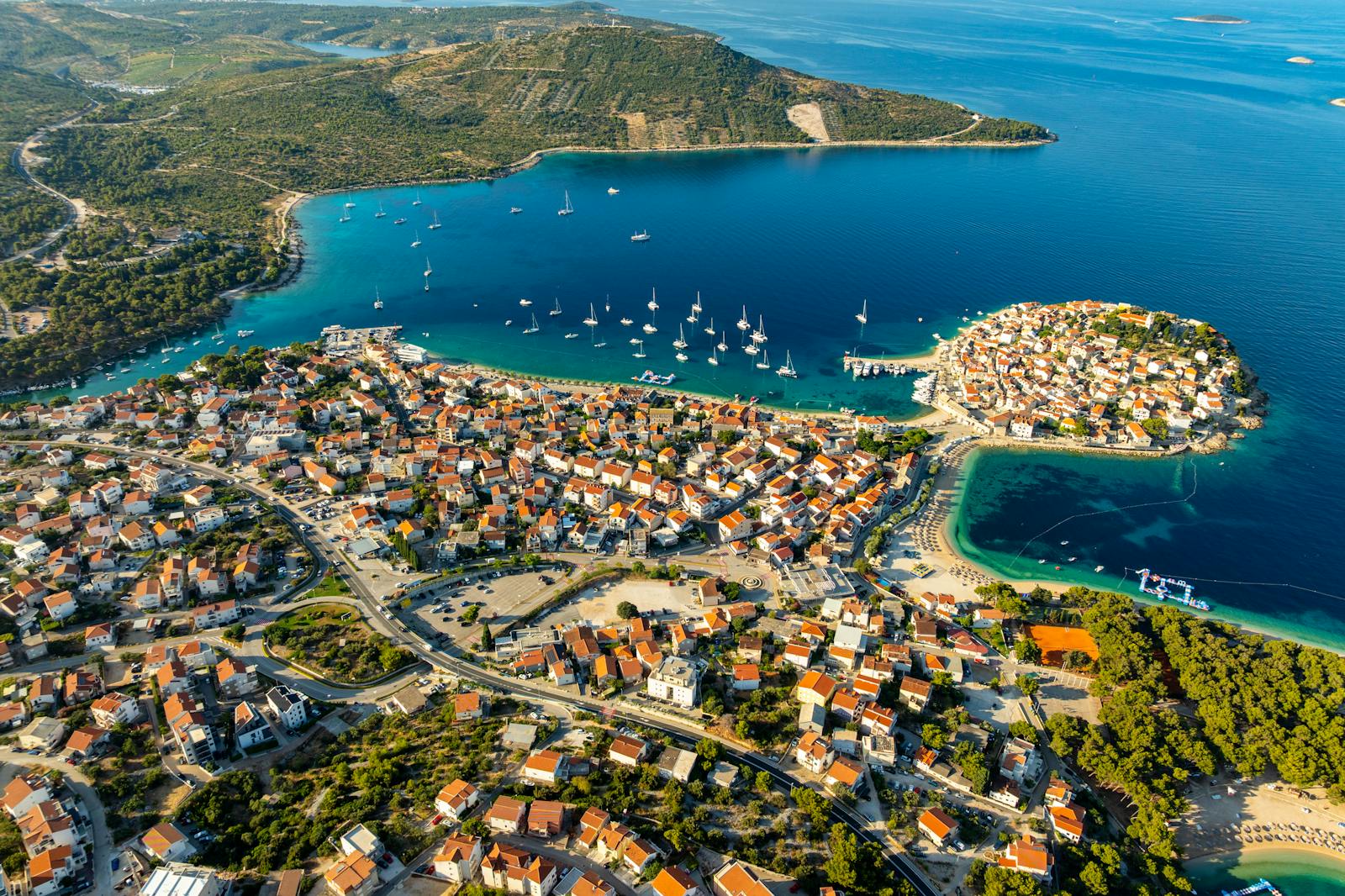
Croatia is surprisingly diverse, so your choice of region strongly shapes what kind of holiday you’ll have. Istria feels more “Italian” in climate: lots of charming towns, great food, olive oil, and a slower pace. Kvarner and the northern islands (Krk, Cres, Rab, Lošinj) are great for family holidays and bays with crystal-clear water. Dalmatia (Split, Makarska, Zadar, Dubrovnik and the islands) offers the most “postcard-perfect” views, plenty of attractions, and the classic Adriatic feel. And if you want nature, it’s worth adding national parks and mountain areas to your plan — they show a completely different side of Croatia.
2) Beaches and the sea – what to expect in practice
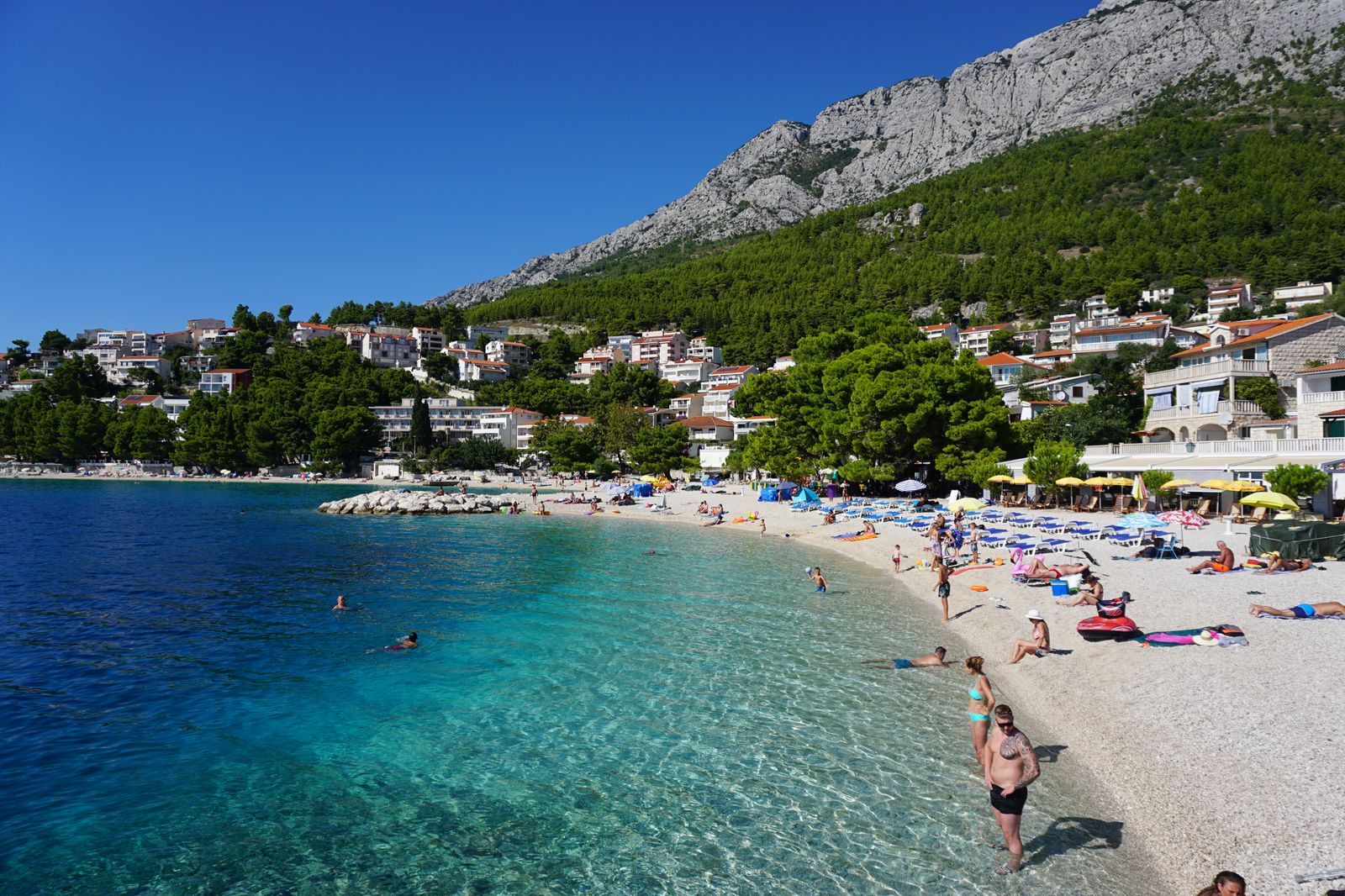
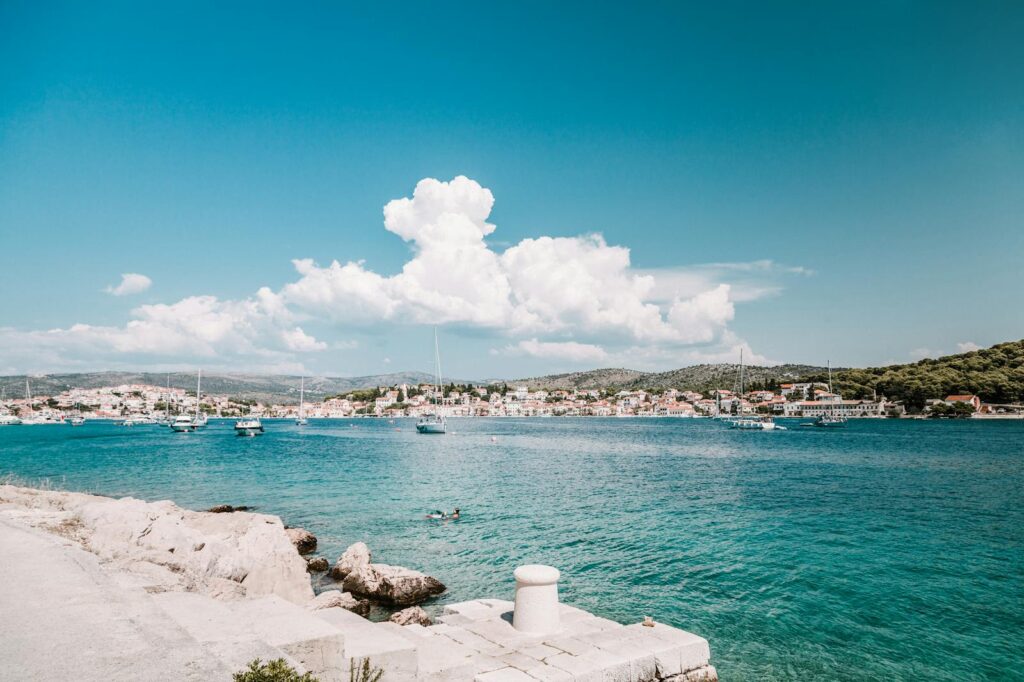
The biggest surprise for many visitors: most beaches in Croatia are pebble or rocky, and sandy stretches are the exception. In return you get clear water, great conditions for mask-and-snorkel swimming, and beautiful bays. Water shoes come in very handy (comfort and safety), especially when walking over stones. In sheltered bays the water tends to be calmer and more family-friendly, while open beaches see more wind and waves. The best time to hit the beach is often early morning and late afternoon – fewer crowds and better light.
3) Sights and towns – stone, history and evening atmosphere
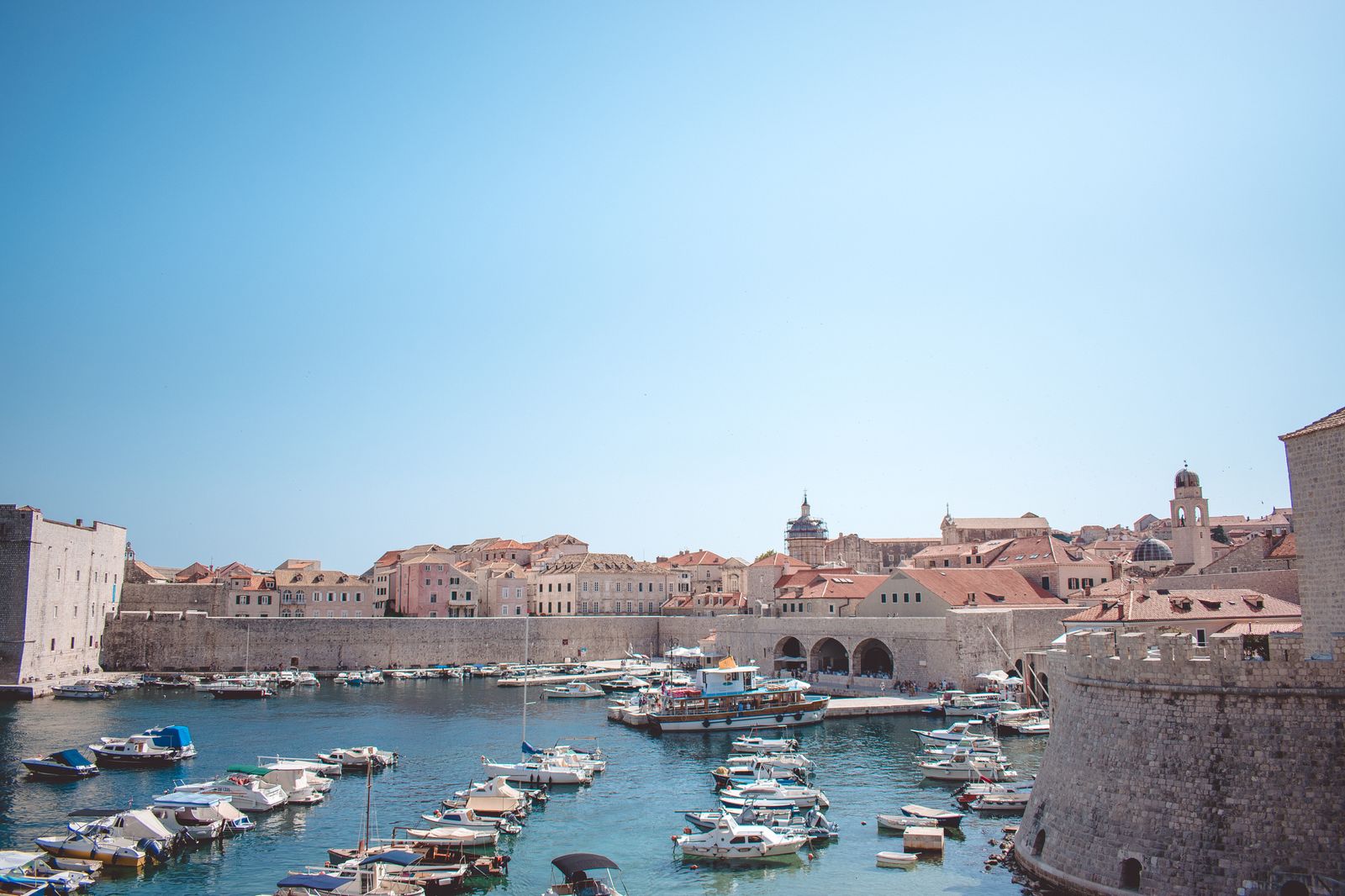
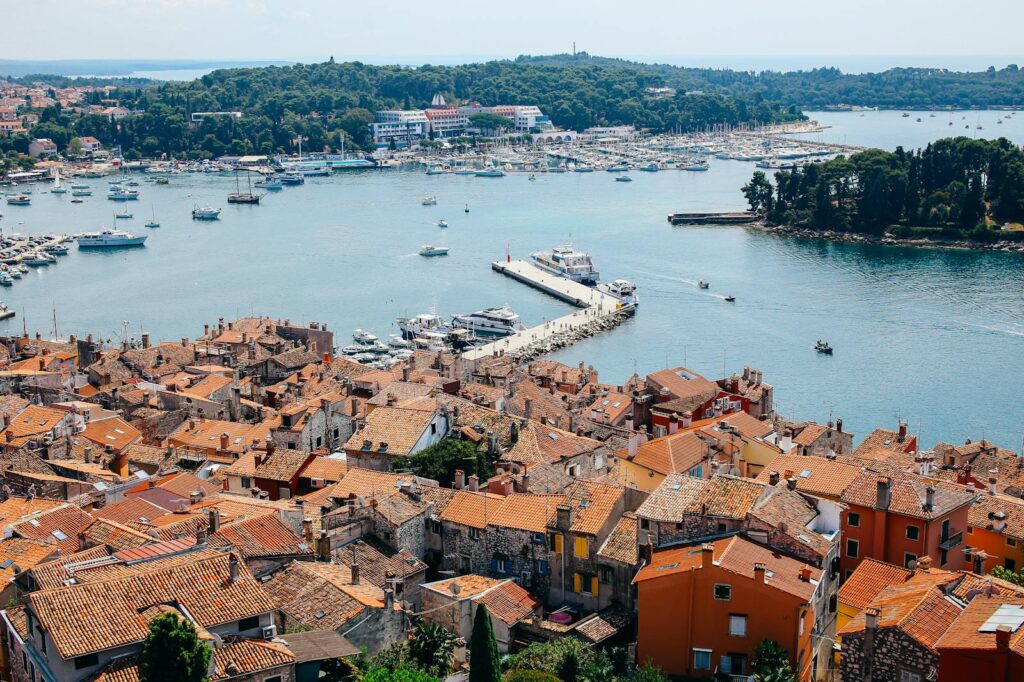
Croatian towns can win you over with atmosphere alone: stone streets, small squares, harbours, promenades and Adriatic sunsets. Dalmatia is dominated by old-town charm (Split, Trogir, Dubrovnik), while Istria has more of a “Mediterranean-Italian” small-town feel (Rovinj, Poreč, Pula). In season, it’s best to plan sightseeing for morning or evening, since midday tends to be hot and crowded. A big plus is that even a short walk through an old town often gives you that “away on a trip” feeling, without needing hours of sightseeing.
4) Nature and national parks – there’s more than the beach
Croatia has beautiful nature: lakes, waterfalls, canyons and mountain views. National parks are a great addition to beach time – a single day “in nature” can refresh an entire trip. It’s especially pleasant in spring and autumn, when there’s no heat and the views feel more vivid. If you’re travelling in summer, plan parks for early morning to avoid the crowds and the highest temperatures. It’s also a great option for families if you pick easier trails and shorter loops.
5) Food – simple, local and very holiday-appropriate
Croatian food is built on quality ingredients: olive oil, fish, seafood, vegetables, grilled meats and local cheeses. The regions differ in flavour: Istria is known for olive oil, truffles and wine, while Dalmatia is known for seafood cuisine and simple, “fresh today” dishes. If you want to eat well without overspending, look for konobas (more traditional local places) and avoid eating every day on the busiest tourist promenades. An apartment with a kitchen is a great budget move: make your own breakfasts and some meals, and go out for a proper dinner in town.
Practical section: how to plan a trip to Croatia
When’s the best time to go
The most comfortable months are often June and September – still warm, the sea is pleasant, and crowds and prices are usually lower than in July and August. Spring and autumn are ideal for sightseeing, road trips and activities, since temperatures are milder. July and August are peak season: best for people who like heat and the “full holiday buzz,” but you’ll need to book ahead. If you’re going in season, plan your day in a rhythm: sightseeing in the morning, a break at midday, the beach in the afternoon.
Getting there and getting around
You can reach Croatia by car (convenient for a road trip and day trips), by plane (saves time), or by bus (often the cheapest option). Once there, you can get around towns and resorts without a car, but if you want to explore bays “off the beaten path” and smaller towns, a car gives you the most flexibility. If you’re planning to visit the islands, remember the ferries and catamarans – it’s worth checking timetables in advance, especially outside peak season. In practice, the model that works best is: one base + day trips.
Language – can you manage without Croatian
Croatian is a South Slavic language. In practice, in tourist areas you’ll have no trouble communicating in English, and often in German or Italian too — especially in Istria. Still, a few phrases are worth knowing: dobar dan (good day), hvala (thank you), molim (please) and koliko košta? (how much does it cost?) — locals usually appreciate even a small effort.
Budget and prices – planning sensibly
The biggest costs of a Croatian holiday are usually accommodation, eating out, transport (fuel, tolls, parking) and attractions like boat trips and national parks. The easiest way to control your budget is to choose an apartment with a kitchen and plan 1–2 paid “highlights” a week, basing the rest on free attractions: beaches, bays, old towns, viewpoints. In season it’s worth booking early, since the best deals disappear fast. Outside season it’s easier to get a better standard for the same price.
Currency – euro instead of kuna
Since 1 January 2023, Croatia has used the euro (€) — the Croatian kuna is no longer legal tender. Card payments are accepted almost everywhere, from restaurants to parking, and ATMs are common even in smaller towns. If you’re travelling from another eurozone country, you don’t need to exchange any money at all — this is one of the things that has genuinely made budgeting for a Croatian holiday easier.
What’s worth packing
Croatia has a few genuine “must-haves” that significantly boost your comfort: water shoes, SPF cream, a hat, and something for shade (an umbrella or a light beach tent if you’re travelling with kids). Comfortable shoes for walking around stone old towns and up to viewpoints also come in handy. If you enjoy snorkelling, a mask and snorkel are often enough for a great, free attraction on most beaches. And if you’re planning trips to the parks, bring water and a small snack – queues and heat can wear you out in season.
Summary
Croatia is a destination that works both for a quick getaway and a longer holiday: you can lie on the beach, explore old towns, hop between bays, sail out to the islands, and take trips to national parks. What matters most is matching the region and timing to your own style: June and September usually give the best balance, while spring and autumn are great for quieter sightseeing. If you plan wisely (a base + day trips), Croatia rewards you with views, climate and food you’ll want to come back for. And then there’s only one question left: when’s the next trip?
Looking for a place to stay in Dalmatia?
Verified apartments, no commission
Discover more inspiration for an unforgettable holiday in Croatia with Adriamore
Since you’re here, read this one too. We hope this article was useful — and if you feel like reading a bit more before you close the tab, these articles keep a similar vibe.