Croatian Culture
Traditions, cuisine and the rhythm of daily life worth knowing to truly feel the country.
Introduction
Croatia brings to mind the Adriatic, islands and stone-built towns, but what really stays with you is often the culture: the way people spend their time, local customs, food, music and the atmosphere of its towns. Croatians blend Mediterranean ease with pride in tradition — and you can see it both in small konobas and during patron saint festivities or summer festivals. For a visitor this culture is at once familiar (it’s European) and different (it’s very regional). This guide will help you understand where the differences between Istria and Dalmatia come from, why Croatians celebrate shared meals, and how to read the local pace of the day. That way you’ll settle into the mood faster and see Croatia not just as a tourist, but as a guest.
A brief overview
Croatian culture is strongly regional: the coast and islands feel more Mediterranean, while the interior often leans closer to Central European traditions. Roman, Venetian, Austro-Hungarian and Balkan influences all mix here in the architecture, cuisine, language and customs. Family, the local community and religion (especially around holiday traditions) all play an important role, but everyday life runs on a simple philosophy: slow down, no rush, good coffee and good food. Good news for travelers — Croatia rewards those who slow down.
Top: the essentials of Croatian culture
1) Regionality: several cultures in one country
What you’ll see in Rovinj won’t be identical to what you’ll feel in Split or Dubrovnik. Istria is often “more Italian” in feel (architecture, wine, olive oil, pace of life), Dalmatia tends to be more vivid, proud and “maritime”, while Slavonia and the east have a cuisine and customs closer to continental Europe. These differences are normal and genuinely interesting — instead of looking for one “typical Croatia”, it’s better to treat it as a mosaic. That way it’s easier to understand why some places feel calm and elegant, while others live louder and more intensely.
2) Coffee and the “sitting culture”: ritual over speed
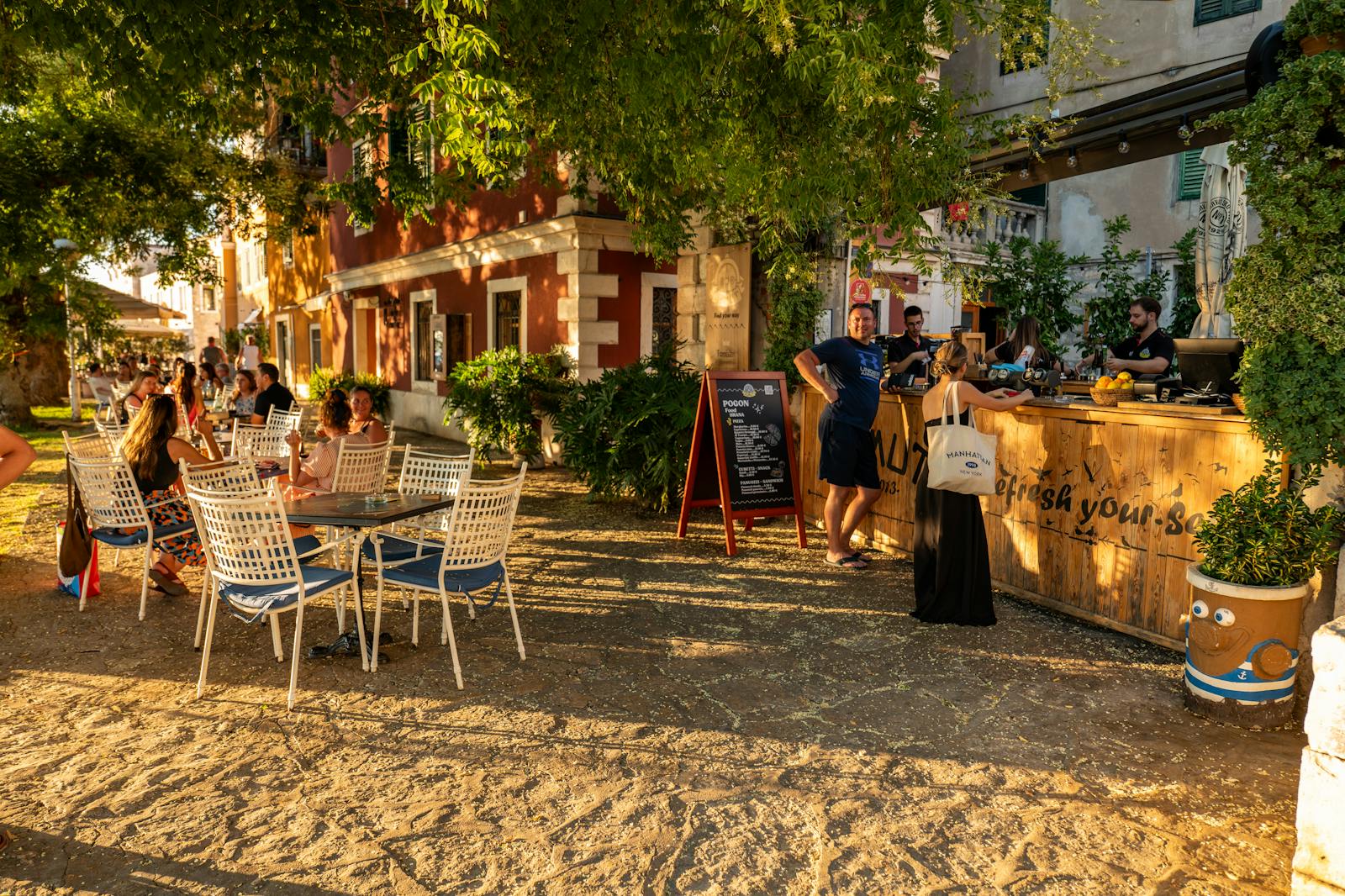
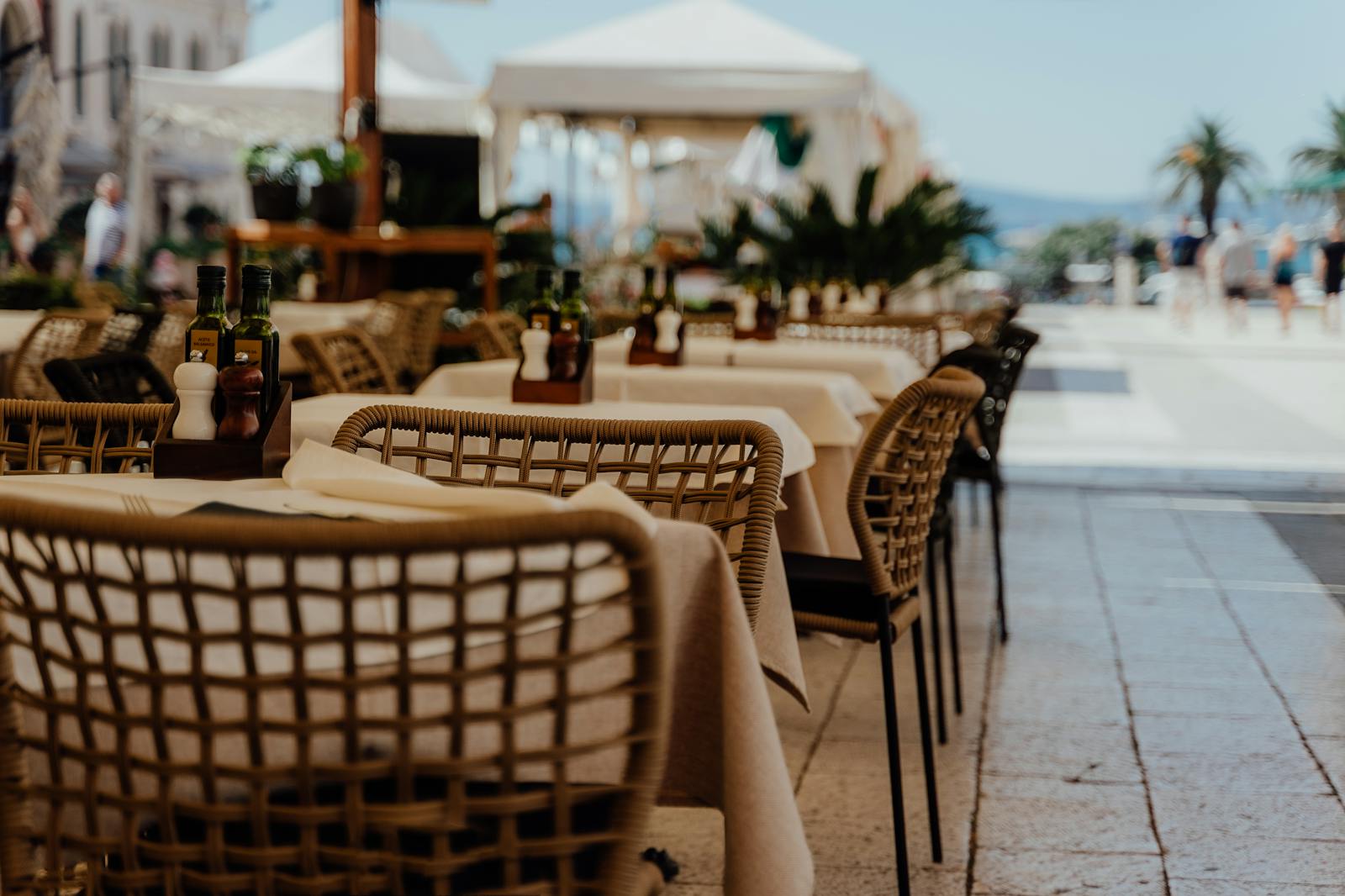
Croatians have a strong café culture — coffee is not just a drink but an excuse for conversation and being together. In towns and cities you’ll see full café terraces even outside the season, because “going for a coffee” is part of daily life. A good tip for visitors: if you want to feel the local mood, sit down for a coffee in the center and watch life happen instead of chasing attractions. It’s in these moments that Croatia feels most authentic.
3) Food as part of identity: konobas, markets and simple flavors
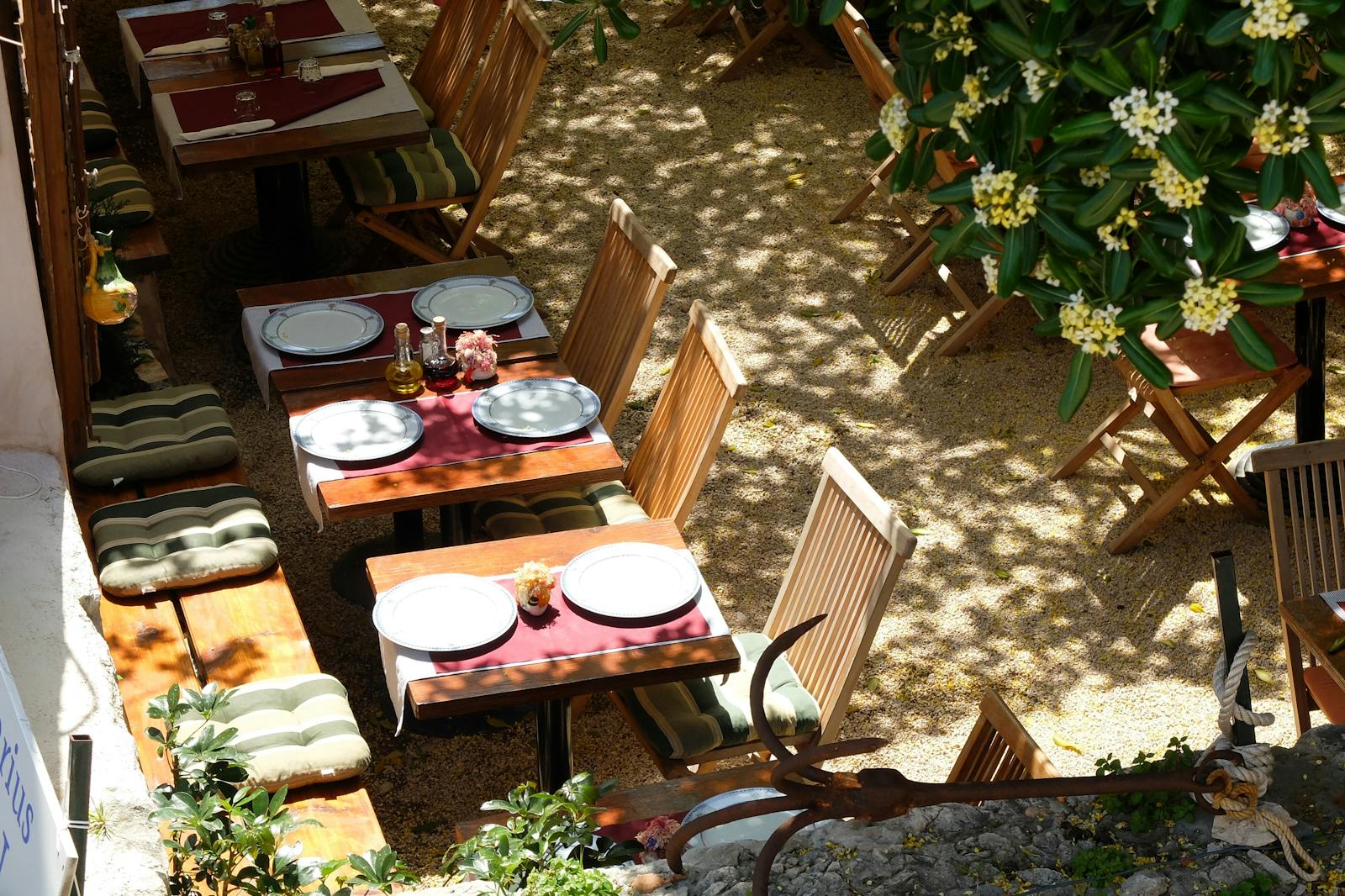
Croatian cuisine is closely tied to region and produce: fish, olive oil, seafood and grilled dishes dominate the coast, while the interior favors meat dishes, stews and more “homestyle” flavors. An important word to know is konoba — a traditional restaurant, often family-run, where simplicity and quality matter more than “show”. Then there are the markets: fresh vegetables, cheeses, olives and local produce that are part of everyday life, not just a tourist attraction. If you want to eat “the Croatian way”, choose seasonality and simple dishes over menus that try to do everything.
4) Music, singing and tradition: from klapa to festivals
On the coast, an important cultural element is klapa — multi-part a cappella singing you’ll often hear at local events and summer evenings. It’s not always a “concert” — sometimes it’s simply part of tradition and community. Croatia also has plenty of summer festivals (cultural and musical) in cities like Split or Dubrovnik, and outside the season — carnivals and regional events. Even if you’re not planning a “festival trip”, it’s worth checking the events calendar, since they can add a unique atmosphere to your travels.
5) Religion and patron saint festivities: local traditions that live on
In many towns patron saint festivities matter a great deal (processions, celebrations, accompanying events), and religion tends to be more visible than in some parts of Western Europe. That doesn’t mean a visitor has to take part — but it’s worth showing respect, especially in sacred places and during celebrations. For travelers, it’s also an interesting chance to see a town “for locals”, not “for tourists”. If you happen upon such a celebration, expect more foot traffic and a more festive mood.
6) Way of being and hospitality: warm, but calm
Croatians are generally polite and helpful, but communication tends to be direct and “without excess ceremony”. On the coast, ease and friendliness usually dominate, but also a natural sense of distance: no one will “serve you by force” — they’ll rather give you space. In many places you’ll encounter pride in the region and local produce — it’s part of identity. A good way to build rapport is simple things: a smile, a few words of Croatian (even “dobar dan” and “hvala”), and respect for local rules.
7) History in space: stone, walls and cities “built on layers”
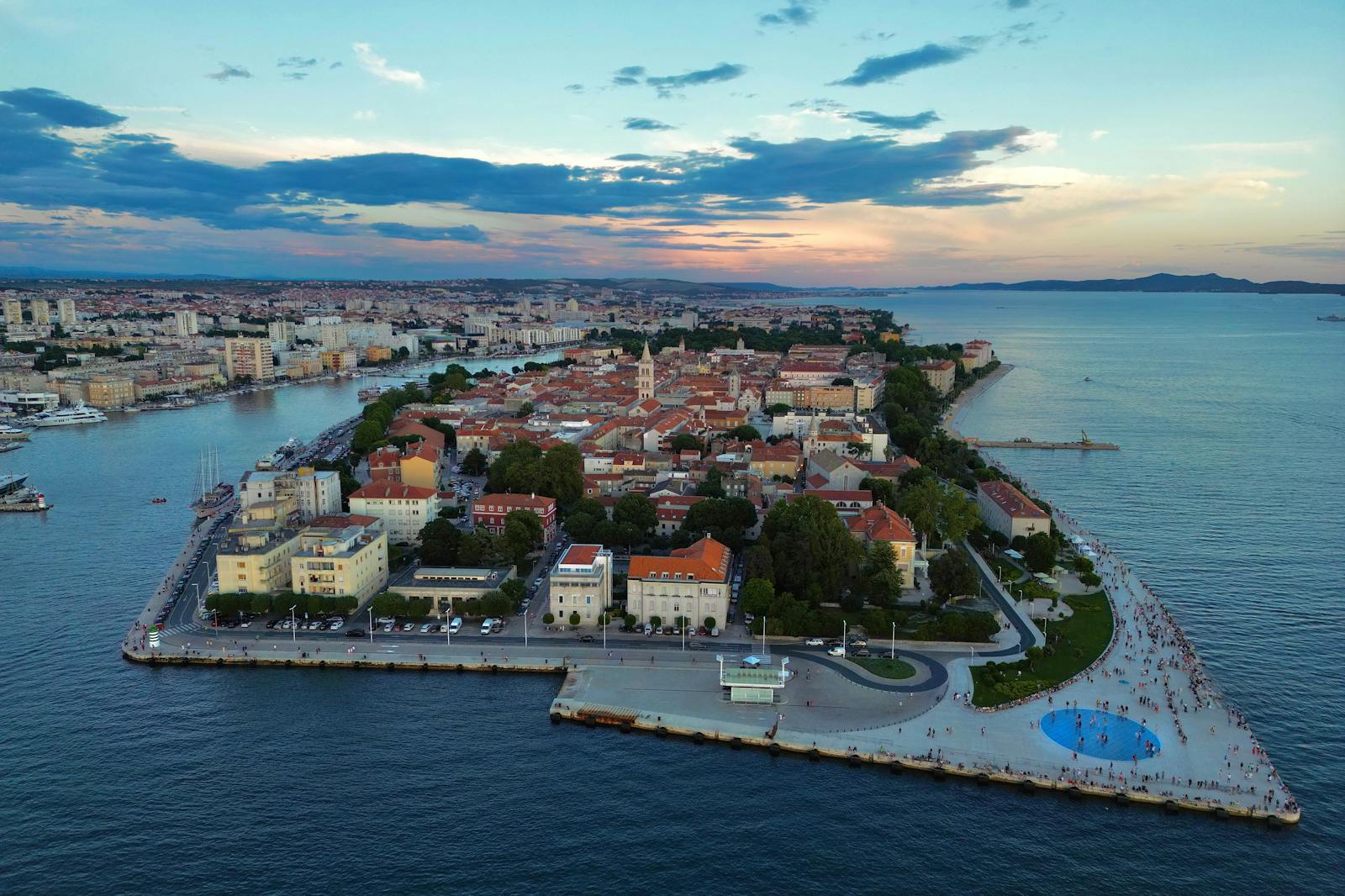
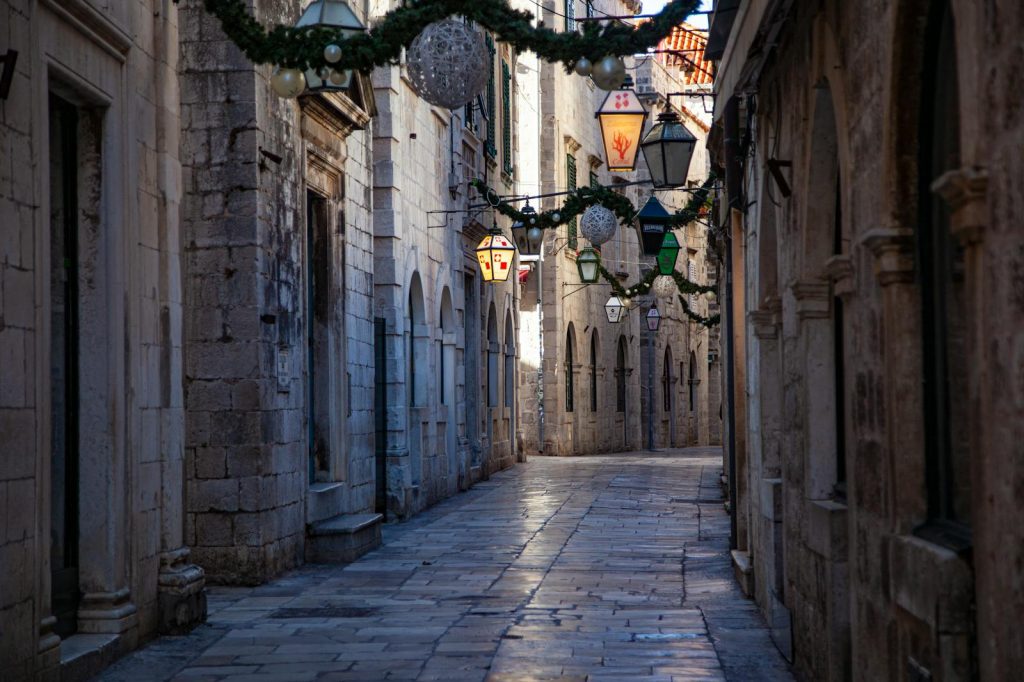
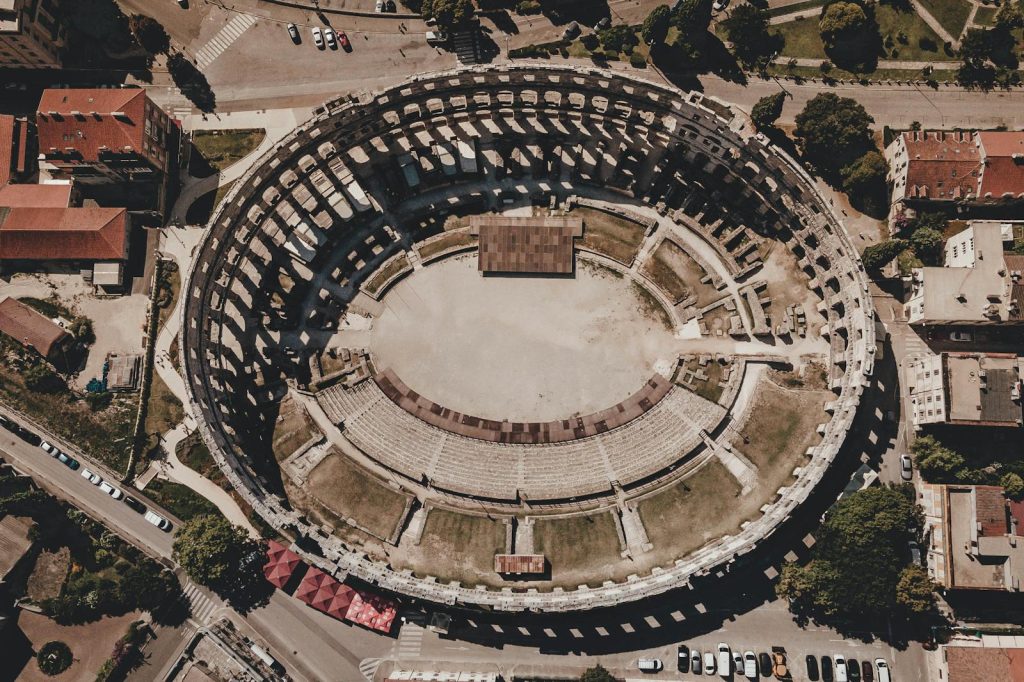
Croatian culture is strongly “material”: architecture and urban layout tell the story. Old towns, walls, ports and Roman remains are part of daily life, not just museum pieces. In Dalmatia you’ll feel Roman and Venetian influence, in Istria you’ll often see traces of multiculturalism, and in continental cities — a more Central European order. It’s worth exploring more slowly and paying attention to detail, because much of the “culture” hides not in the attractions but in the space itself.
Practical section: experiencing Croatian culture on your trip
1) When to go for a more “local” culture
If an authentic pace of life matters to you, consider spring and autumn. There are fewer tourists then, and towns run more “for residents”, which makes it easier to experience everyday life: cafés, markets, local events. Summer feels the most “holiday-like”, but some places get heavily touristy, which changes the mood. June and September often offer the best compromise: still beautiful weather, but less crowd pressure.
2) How to plan a day “the Croatian way”
The most natural rhythm is: sightseeing or activity in the morning, a break at midday (shade, lunch, rest), and an evening walk and dinner. Croatia is perfect for evening life: promenades, harbors, old towns and sunsets are part of the lifestyle, not just a “tourist attraction”. If you try this pace, you’ll feel like you’re actually on holiday, not rushing through it.
3) How to avoid the “tourist bubble”
- Eat at konobas 2–3 streets away from the promenade.
- Stop by a local market in the morning.
- Instead of 10 attractions a day, pick 2–3 and leave time for coffee and a walk.
- If you can, visit one inland town (especially in Istria) — the cultural difference is striking.
4) Budget and culture: experiencing more while spending less
A large part of Croatian culture is “free”: walks through old towns, sunsets, town events, local markets and small festivals. Instead of daily expensive attractions, pick one “strong experience” (e.g. an evening at a konoba with local wine) and build the rest from simple moments. That often makes for better memories than another ticketed stop.
5) A quick etiquette checklist
- In churches and during ceremonies, stay quiet and dress appropriately.
- Don’t photograph people up close without asking (especially at events and on nudist beaches).
- A smile and basic Croatian phrases really do help.
- Respect quiet hours in apartments — many places are geared toward a peaceful stay.
Summary
Croatian culture is a blend of Mediterranean ease, strong regionality and attachment to tradition, visible in the food, music, festivities and the daily rhythm. It’s best experienced when you slow down: sit for a coffee, eat at a konoba, stroll through old towns in the evening, and let the place “come to you”. Whether you choose Istria, Dalmatia or the islands, Croatia rewards you the same way: with an atmosphere no photo can fully capture. If you want to truly feel the country, treat culture as part of the plan — not an afterthought.
Planning a stay in central Dalmatia? Check out our selection of commission-free apartments in Split, Trogir, Omiš, Makarska and Šibenik.
Looking for a place to stay in Dalmatia?
Verified apartments, no commission
Discover more inspiration for an unforgettable holiday in Croatia with Adriamore
Since you’re here, read this one too. We hope this article was useful — and if you feel like reading a bit more before you close the tab, these articles keep a similar vibe.