Current Events in Croatia – Festivals, Holidays and the Events Calendar
The main types of events at a glance
Summer festivals in the cities
Concerts in harbours, performances in courtyards and shows on town squares — outdoor culture all summer long.
Read →Big music festivals
Mass events that draw crowds from all over Europe and strongly affect accommodation prices.
Read →Local town and patron-saint festivities
Processions, traditional costumes and fairs — the most authentic, least touristy atmosphere.
Read →Culinary events
Olive oil, truffles, wine and fish — regional-flavour festivals, especially in Istria.
Read →Winter carnivals and events
Christmas markets, illuminations and carnivals out of season — without the July/August prices.
Read →Sporting events
Runs, triathlons and regattas — usually in spring and autumn, when temperatures are comfortable.
Read →Introduction
Events in Croatia can completely change the character of a trip: a place that’s a quiet resort one week can turn into a city of music, theatre, street parades or a local fiesta the next. If you like to feel the “life of a place,” it’s worth planning your holiday around festivals, feast days and seasonal events. It makes it easier to catch a unique atmosphere, taste local food at a festival, hear an open-air concert or see traditions you can’t experience anywhere outside Croatia. This guide is a practical page: it shows which types of events are most popular, when they usually happen, and how to plan your dates, accommodation and logistics sensibly.
Quick overview
Croatia’s events calendar is strongly seasonal: most things happen from late spring to the end of summer, but autumn and winter have their own gems too (e.g. culinary events, carnivals and Christmas markets). Events can be split into a few groups: music festivals, cultural events (theatre, film, classical concerts), local town and patron-saint festivities, culinary events (wine, olive oil, truffles) and sporting events. Some have a fixed “slot” in the calendar (e.g. specific weeks of the year), but programmes and exact dates can change, so it’s worth checking them on organisers’ websites or with local tourist information points before you travel.
TOP: the main types of events in Croatia
1) Summer festivals in the Adriatic cities
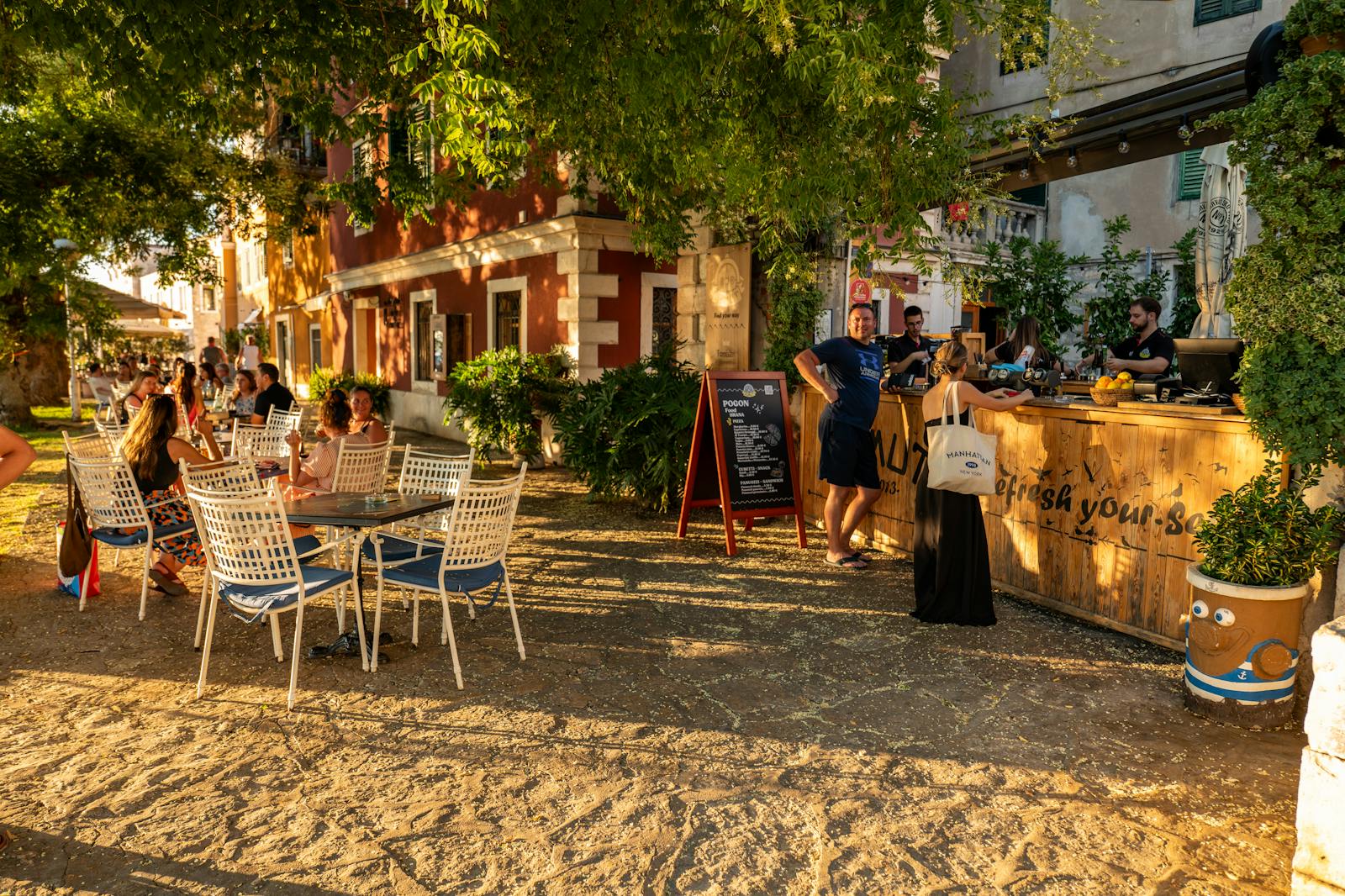
In summer, Croatia loves outdoor culture: concerts in harbours, performances in courtyards, shows on town squares and events throughout the old towns. In many cities (especially in Dalmatia) the cultural season runs all summer and is a great alternative to “yet another beach day.” It’s a good way to add something special to your trip without changing your daily plans — often just one evening is enough. If you like the atmosphere, aim for events after sunset, when the towns look their best, especially:
2) Big music festivals and mass events
Croatia also has “heavyweight” events: big electronic music festivals and events that draw crowds from all over Europe. For some, that’s a dream party holiday; for others, a signal to avoid a given city on that date. Such events strongly affect accommodation prices, crowding and parking availability. If you’re planning a trip during this period, book early or choose accommodation away from the centre.
3) Local town and patron-saint festivities — the most authentic atmosphere
In many towns, the most important dates are patron-saint days and local “town birthdays”: processions, performances, traditional costumes, concerts and fairs. These events show Croatian culture at its best — they’re often organised “for the locals,” with tourists as welcome guests. There’s usually local food, music, crafts and a real sense of community. If you want to feel a less “touristy” Croatia, these are the dates to look for.
4) Culinary events: olive oil, wine, truffles, fish and regional cuisine
Croatia is a great destination for foodies, with plenty of events built around regional produce. In autumn, olive oil and truffles often take centre stage (especially in Istria), summer brings coastal events, fish and Mediterranean cuisine, and the wine regions host tastings and wine festivals. These events are great because they combine sightseeing with a real taste of local life, without requiring “party mode.” A perfect choice for couples and slow-travel lovers.
5) Carnivals and winter events (off-season)
Out of season, Croatia is still alive — just in a different way. Winter brings Christmas markets, festive lighting, city events and carnivals (often in the northern regions and bigger cities). It’s a good time for a city break, since you don’t pay “July-August” prices but still get culture and atmosphere. If you don’t need a swim in the sea, winter and early spring can be surprisingly pleasant.
6) Sporting events: runs, triathlons, regattas and the active season
There’s also plenty of sport in Croatia: street and trail runs, cycling races, triathlons, regattas and water events. For visitors, this is often a chance to see the region in an active way, or simply to watch a competition in a beautiful setting. Sporting events usually happen in spring and autumn (comfortable temperatures), though some take place in summer too. If you’re staying near a competition venue, keep in mind traffic disruption and higher accommodation demand.
Practical section: how to plan a trip around events
1) When to travel so that “something’s happening”
- June–August: the most events, concerts and open-air festivals, but also the highest prices and crowds.
- September: often the best compromise — still plenty of events, but fewer crowds.
- Spring (April–May): great for sporting events, city breaks and culture without the heat.
- Winter: Christmas markets, carnivals and city events — ideal for those who don’t need a beach.
2) Bookings: when you need to act early
If the event is big (music, mass event, “top city”), accommodation can disappear fast. It’s safest to book early, especially in July and August. Local festivals tend to be more relaxed, but it’s still worth checking whether they fall on a weekend that draws extra tourists. Good practice: pick accommodation with free cancellation if your plans are still taking shape. When looking for a place to stay, it’s worth browsing the available apartments in Dalmatia.
3) Logistics on the ground: getting there, parking, ferries
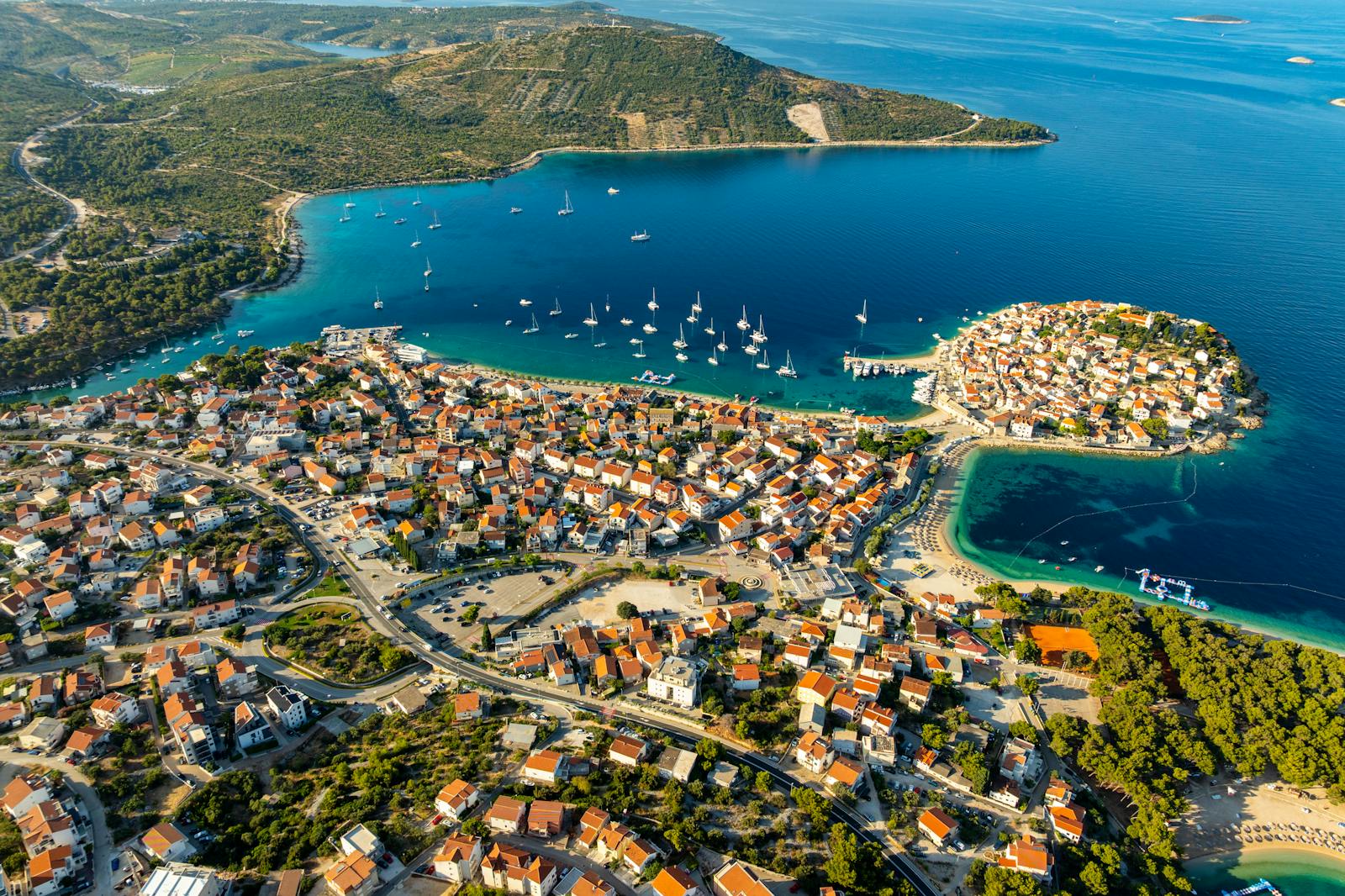
Events in coastal towns mean more people, which affects parking, traffic and local transport availability. If you’re driving, choose accommodation with parking or outside the centre, and get around by public transport or taxi. If you’re planning to visit the islands, check the ferry/catamaran schedules — in season, it’s worth building in extra time and avoiding tight connections. Events can sometimes change traffic flow in a city (closed streets), so flexibility is key.
4) Budget: how not to overpay for “festival dates”
The biggest cost jump is usually accommodation. If you want to be near an event without paying premium prices, base yourself 10–30 km away and drive in for the evening. Culinary events and local festivals are often more budget-friendly than big music events. A good trick: mix it up — one “big” event evening plus a few calmer days.
5) How to check current dates and programmes
Events tend to change (exact times, line-ups, programmes), so the best sources are:
- organisers’ websites,
- official tourist websites for cities/regions,
- event profiles on social media.
Summary
Events in Croatia are a great way to see the country in a more alive, local version: from summer festivals in the old towns, through big music events, to intimate town festivities and Istria’s culinary gems. If you match the date to your preferences (calm vs. energy, culture vs. party), your trip gains a “second dimension” and stays in your memory much longer. The key is to plan sensibly: check the dates, book accommodation in time and account for logistics. Then just step into the atmosphere — because Croatia really knows how to celebrate.
Looking for a place to stay in Dalmatia?
Vetted apartments, no commission
Discover more inspiration for an unforgettable holiday in Croatia with Adriamore
Since you’re here, read this one too. We hope this article was useful — and if you feel like reading a bit more before you close the tab, these articles keep a similar vibe.