Guide to Croatia
Everything worth knowing before you go — regions, weather, culture and practical tips in one place.
Six themed guides
About Croatia
Basic facts about the country — history, food, language, currency.
Read →Regions of Croatia
From Istria to Southern Dalmatia — which region to pick.
Read →Getting to Croatia
How to get there and what to watch for along the way.
Read →Weather & climate
When to go to catch the best weather.
Read →Events in Croatia
Festivals, holidays and the seasonal events calendar.
Read →Croatian culture
Customs, traditions and everyday life on the Adriatic.
Read →Table of Contents
- Introduction — Why Choose Croatia?
- Where Is Croatia and How Do You Get There?
- How to Get to Croatia?
- Practical Information — What You Need to Know Before You Go
- Transport and Getting Around Croatia
- Where to Stay — Types of Accommodation
- Main Attractions and What's Worth Seeing
- Types of Trips and Itineraries
- Culture and Cuisine of Croatia
- Safety and Traveler Tips
- When to Go to Croatia?
- Final Practical Tips
- Summary
Introduction — Why Choose Croatia?
Croatia is one of the most beautiful destinations on the Mediterranean, drawing travelers from all over the world with its unforgettable landscapes, rich history and welcoming atmosphere. From the stunning beaches of Dalmatia to the medieval towns of Istria, Croatia offers something for every traveler. Whether you’re after a romantic getaway, a family holiday or an active adventure, you’ll find it here. Let this guide be your lens into this magical country.
Where Is Croatia and How Do You Get There?
Location and Geography
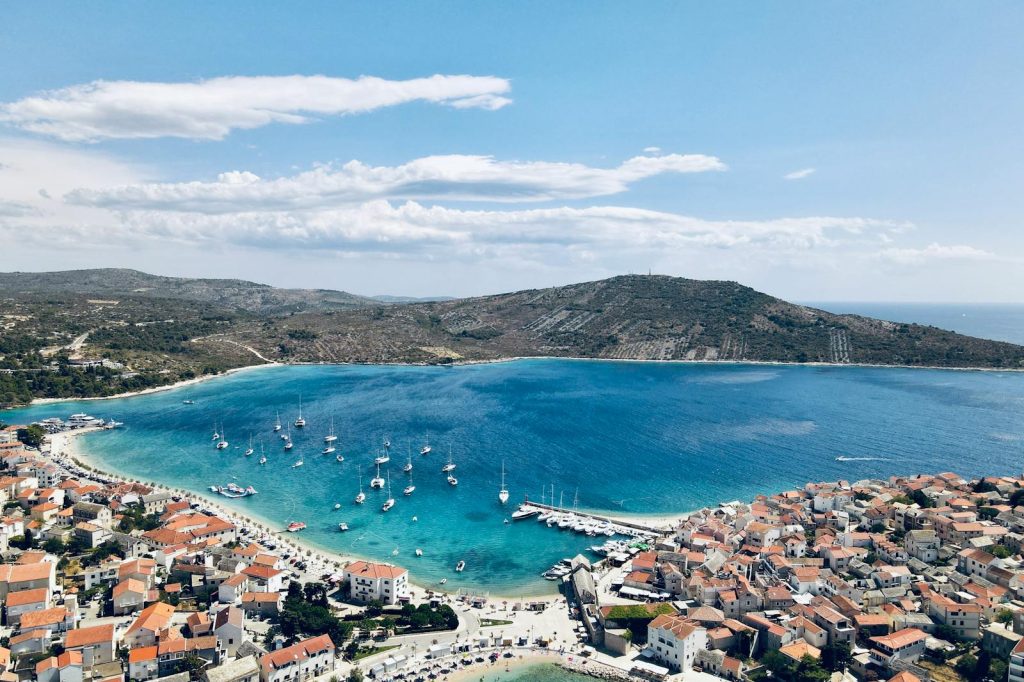
Croatia lies on the Balkan Peninsula in Southeastern Europe, along the Adriatic Sea. It borders Hungary, Serbia, Bosnia and Herzegovina, Montenegro and Slovenia. The country stretches over 1200 km and includes thousands of Adriatic islands. The capital is Zagreb, and the best-known cities are Dubrovnik and Split.
How to Get to Croatia?
By plane: The main airports are in Zagreb, Split, Dubrovnik and Zadar, with connections from most European cities.
By car: You can drive via Slovenia, Hungary or Bosnia. Travel times vary widely depending on your starting point and the route you choose.
By bus: Numerous long-distance coach connections link Croatia with other European countries, though journeys can be long.
By train: Rail connections exist but are considerably less convenient than the alternatives above.
Practical Information — What You Need to Know Before You Go
Documents and Visas
EU citizens can enter Croatia with a valid national ID card or passport, and no visa is required. It’s worth bringing:
- A national ID card or passport (valid for at least 6 months)
- Your European Health Insurance Card (EHIC), if applicable
- Travel insurance (recommended)
- Copies of your important documents
Currency and Payments
Croatia’s official currency is the euro (€) — it replaced the Croatian kuna on 1 January 2023. Card payments are accepted almost everywhere, and ATMs are easy to find even in smaller towns. If you’re travelling from another eurozone country, you won’t need to exchange any money at all.
Language
The official language is Croatian, but in tourist areas many people also speak English, Italian and German.
Time Zone and Weather
Croatia is in the Central European Time zone (CET). Summers in Croatia are hot and dry, with temperatures reaching around 30°C. Winters call for warmer clothing, though the southern regions stay relatively mild.
Transport and Getting Around Croatia
Traveling by Bus
Buses are the best option for budget travelers. The bus network is extensive and connects nearly every town. The main operators include FlixBus and local Croatian companies. Tickets are inexpensive (roughly 5-15 EUR per 100 km), and the buses are generally comfortable.
Getting Around by Ferry
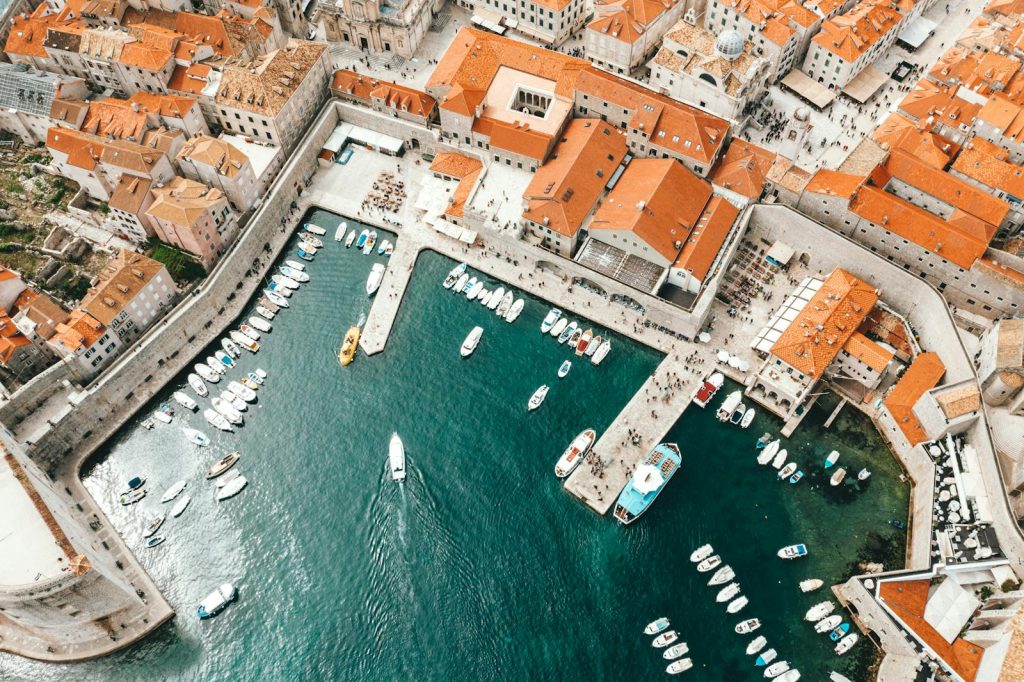
Ferries are the ideal option for island-hopping. They run year-round, with more frequent connections in the summer season. Operators such as Jadrolinija and G&V connect the islands and coastal towns. Prices are reasonable, and the views are unforgettable.
Renting a Car
Renting a car gives you maximum flexibility. Roads are well maintained and driving in Croatia is pleasant. A few things to keep in mind:
- Speed limits are 50-90 km/h in towns, 130 km/h on motorways
- Driving with headlights on is mandatory, even during the day
- Drink-driving is punished severely
- Parking in towns can be difficult during the summer season
Taxis and Uber
Taxis are widely available but more expensive than buses. Uber operates in Zagreb, Split and Dubrovnik at reasonable rates.
Where to Stay — Types of Accommodation
Hotels
From budget to luxury, hotels are available everywhere. In the main tourist towns, expect to pay 50-150 EUR a night for a decent room.
Apartments and Private Accommodation
A great option for families and groups. Having your own kitchen lets you save on food. Platforms such as ADRIAMORE offer direct contact with owners with no commission.
Hostels
Perfect for backpackers and solo travelers. A dorm bed in a hostel costs around 15-30 EUR a night.
Camping
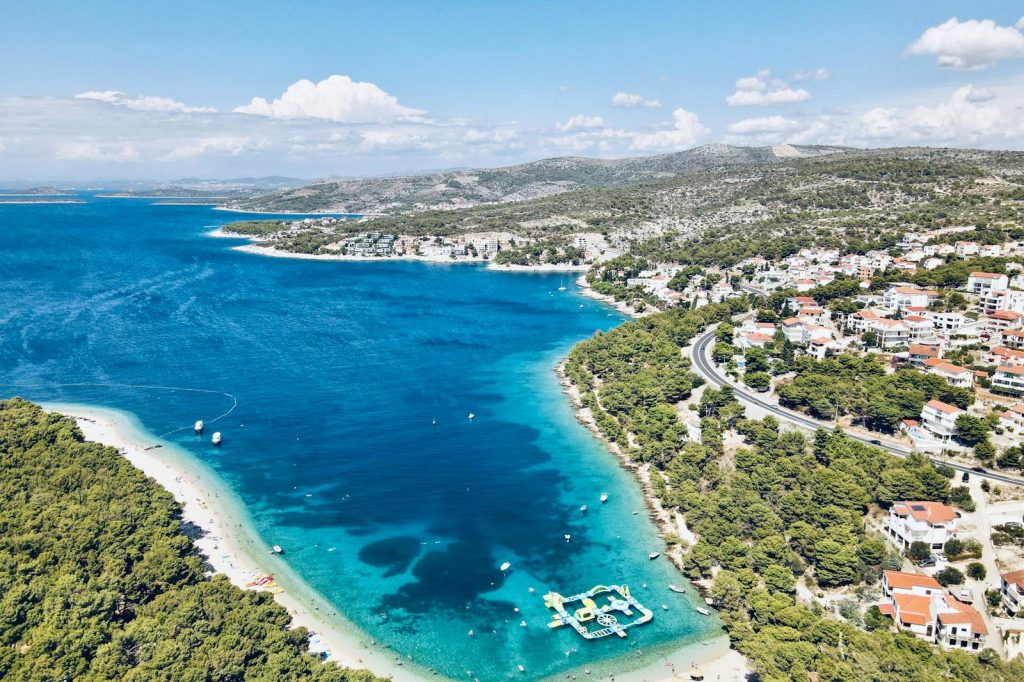
Croatia has many campsites, especially along the coast — a budget-friendly option if you have a tent or a caravan.
Main Attractions and What’s Worth Seeing
Dubrovnik — Pearl of the Adriatic
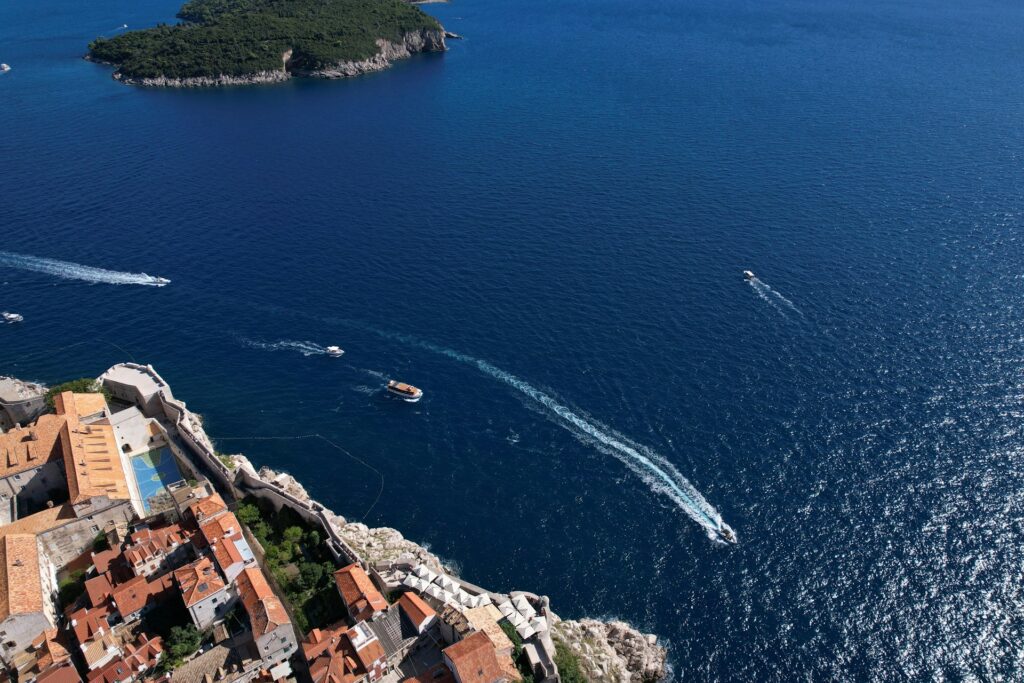
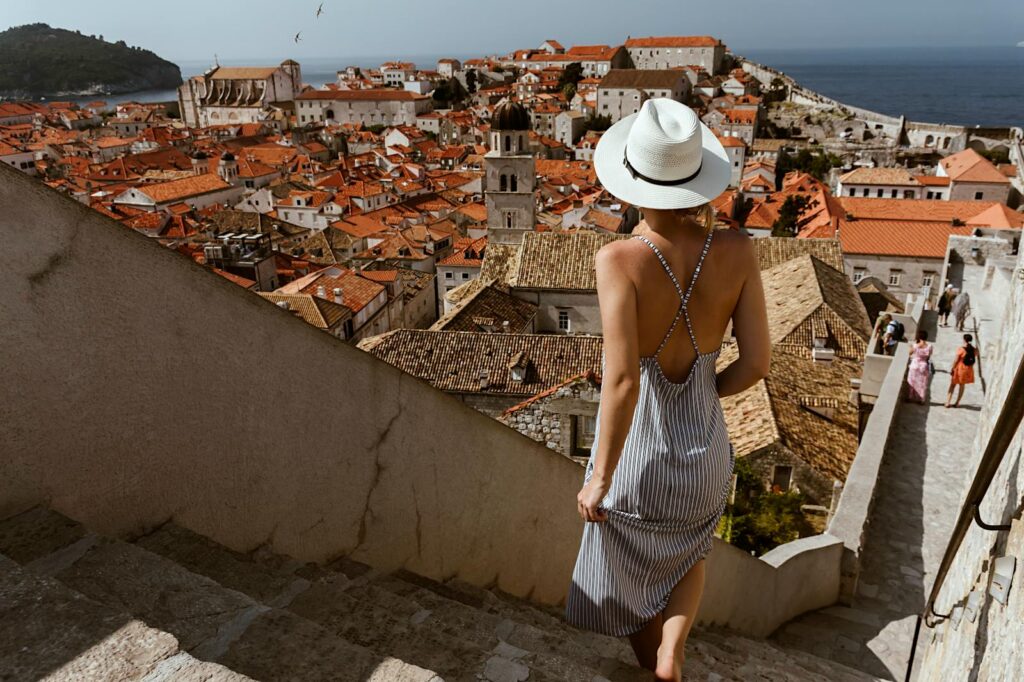
Dubrovnik is a storybook town with defensive walls, an old town and stunning views. Main attractions:
- Old Town (Stari Grad) — a UNESCO World Heritage Site with medieval streets
- City Walls — a walk along the old fortifications with sea views
- Rector’s Palace (Knežev Dvorac) — a historic landmark
- Fort Lovrijenac — an imposing fortress overlooking the Old Town
When to go: May-June or September-October, to avoid the peak summer crowds
Split — Gateway to Dalmatia
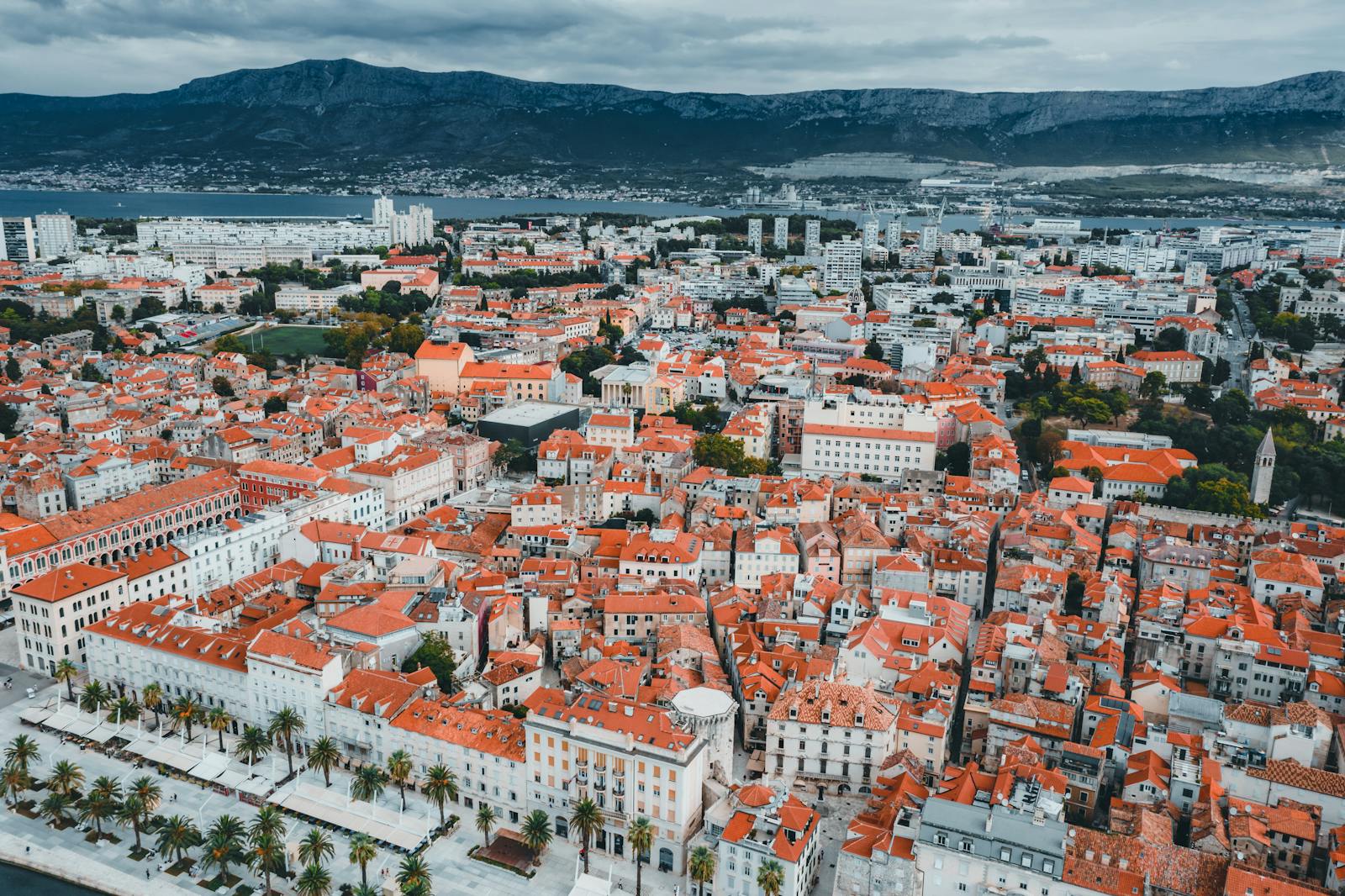
Split is a lively city with a rich history and a modern buzz. Main attractions:
- Diocletian’s Palace — a huge Roman-era landmark that forms part of the Old Town
- Marjan Hill — a hill with old forts and great views
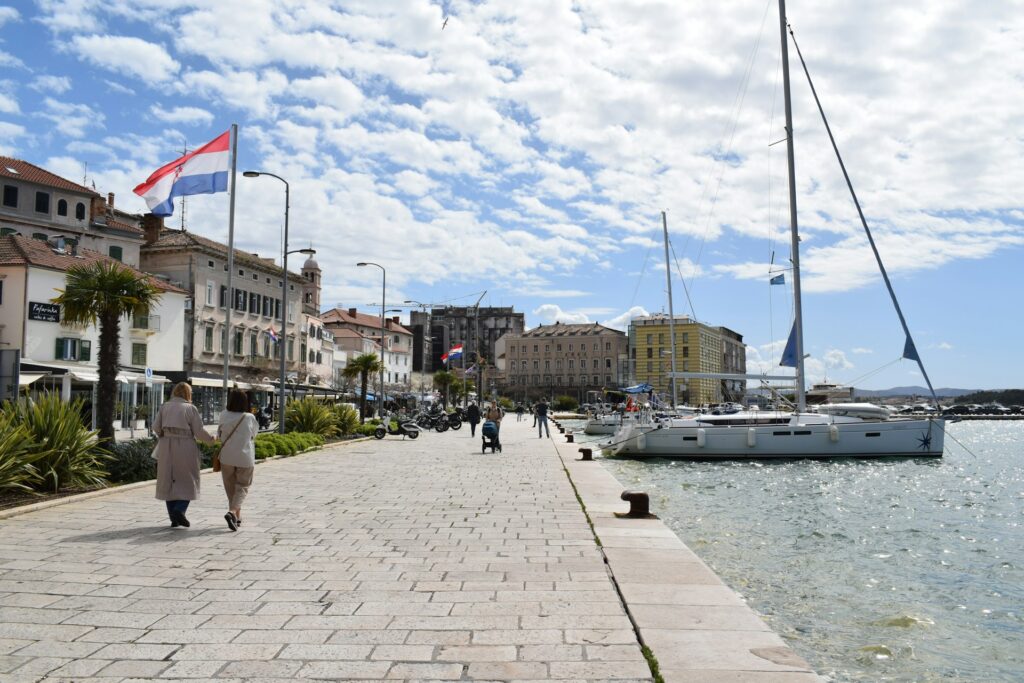
- Riva — the seafront promenade, perfect for an evening stroll
- Cathedral of St. Domnius — a place of worship inside Diocletian’s Palace
Plitvice Lakes — National Park
This spectacular park features 16 interconnected lakes in a chain, with water cascading between them to create a natural spectacle. Great for:
- Walking the trails
- Nature photography
- Swimming in the designated lakes
Time needed: 4-6 hours for the main trails, a full day for the more ambitious routes.
Zadar — City of Sunsets
Zadar is famous for its beautiful sunsets. Main attractions:
- Sea Organ — a unique art installation that sounds with the waves
- Roman Forum — historic ruins
- Ugljan Island — a nearby paradise for beachgoers
- Pakleni Islands — popular for sailing and snorkeling
Krka Park and Waterfalls
Krka National Park offers beautiful waterfalls and natural pools. Main attractions:
- Skradinski Buk — spectacular cascades
- Natural pools — ideal for swimming in clear water
- Visovac Island — a small monastery on an island
Types of Trips and Itineraries
3-Day Trip (Weekend)
- Day 1: Dubrovnik — Old Town, city walls
- Day 2: A day trip from Dubrovnik or the island of Lokrum
- Day 3: Travel to Split, Diocletian’s Palace
7-Day Trip (One Week)
- Days 1-2: Zagreb (old factory sites, museums)
- Days 3-4: Plitvice Lakes
- Days 5-6: Dalmatia (Split, Dubrovnik)
- Day 7: Zadar or the trip home
10-Day Trip (The Best of It)
- Days 1-2: Zagreb
- Days 3-4: Krka Park and Zadar
- Days 5-6: Split and Dalmatia
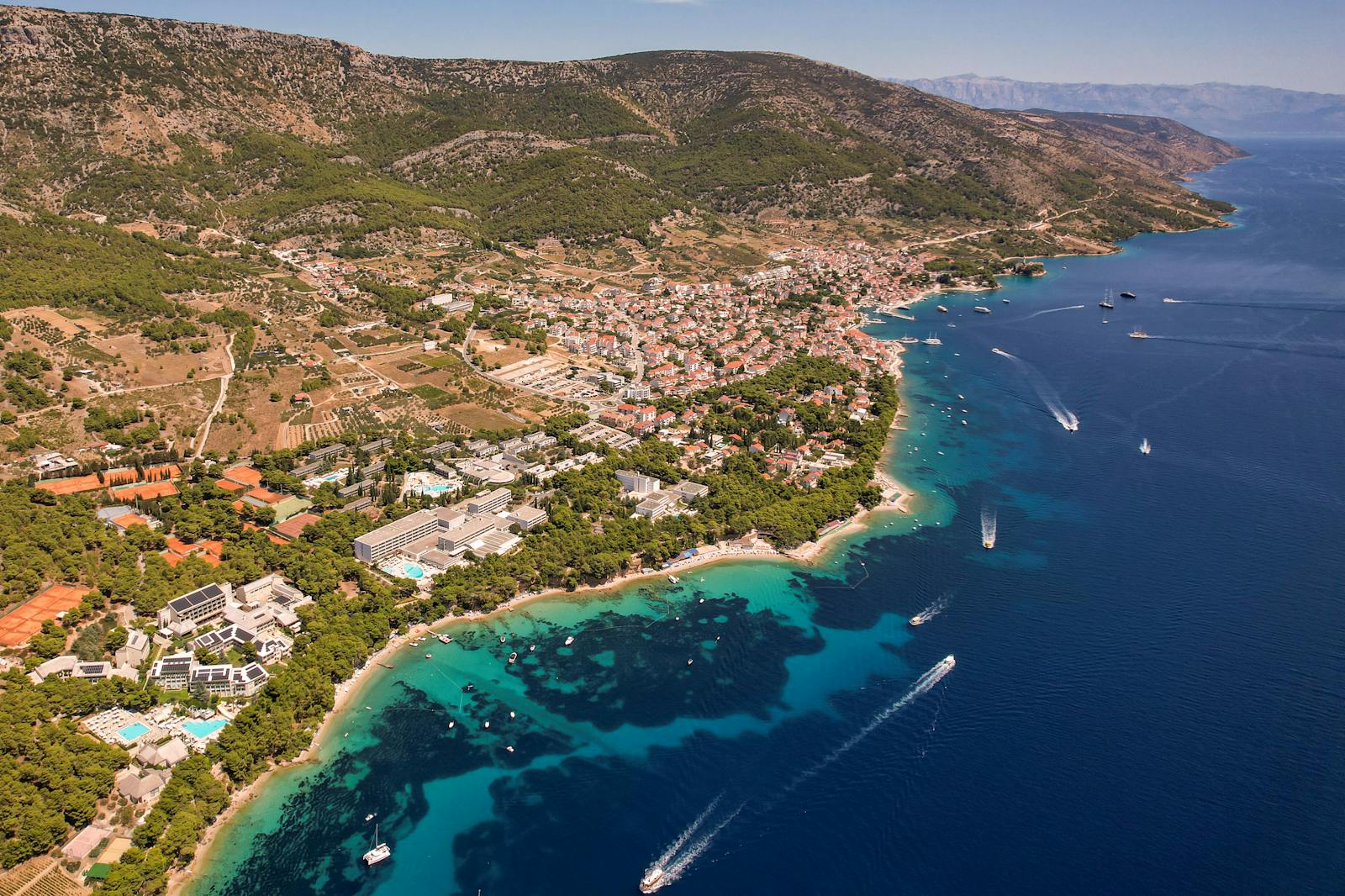
- Days 7-8: Hvar or Brač island
- Days 9-10: Dubrovnik
Romantic Getaway for Couples
- Hvar or Vis (quiet islands)
- Evenings on the beach and at local restaurants
- Sunset boat tours
Vacation with Kids
- Poreč (family-friendly beaches)
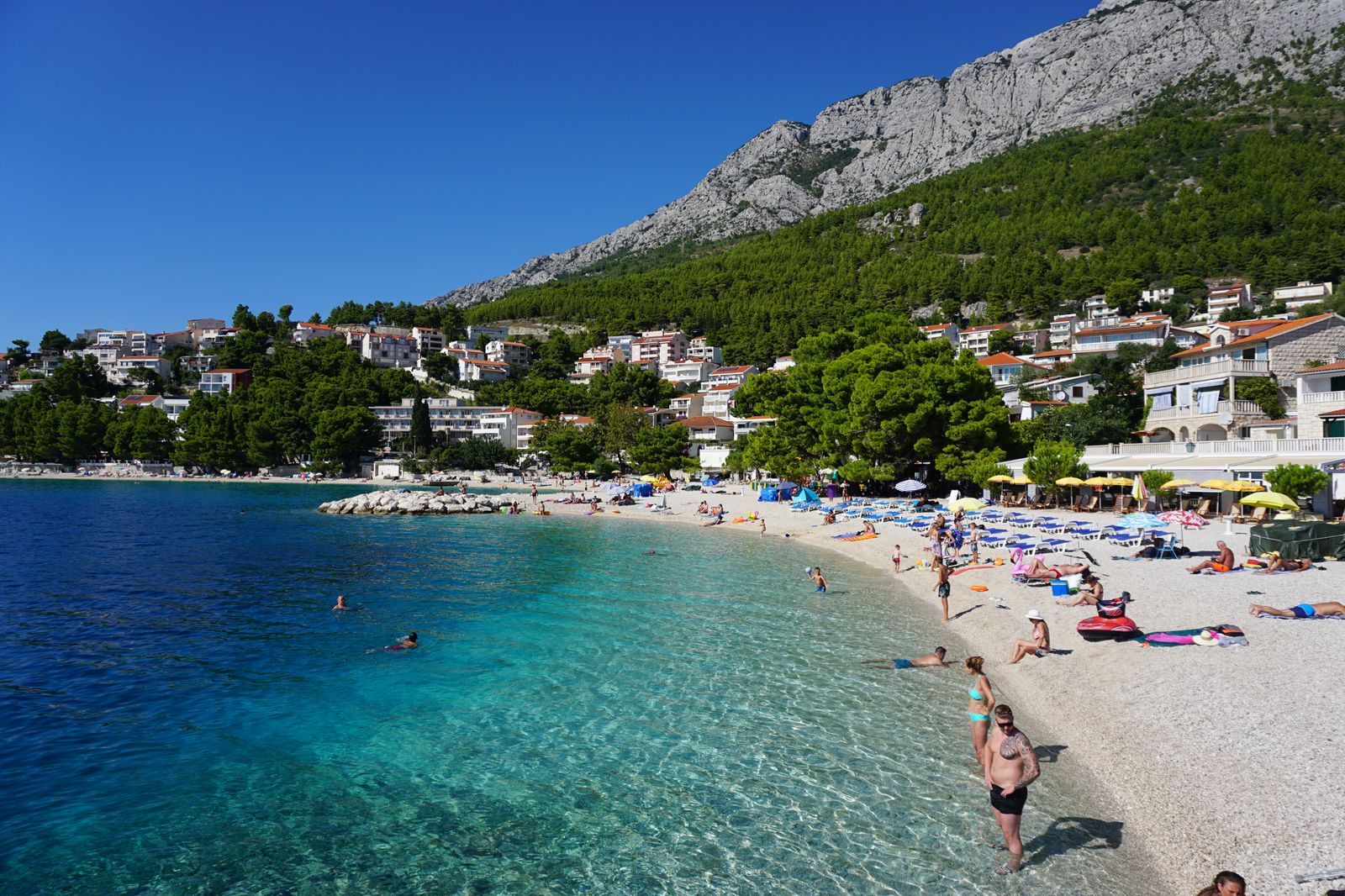
- The Makarska Riviera (beaches and activities)
- Natural pools in the parks
Culture and Cuisine of Croatia
Traditional Dishes of Dalmatia
Croatian cuisine blends Mediterranean and Balkan traditions. Be sure to try:
- Paški sir — a delicious cheese from the island of Pag
- Hladetina — a traditional cold dish
- Brudet — seafood stewed in sauce
- Fritule — traditional small doughnuts
- Peka — meat and vegetables slow-roasted under a bell-shaped lid
Wines of Croatia
Croatia produces excellent wines, especially on the Istrian peninsula. Local vineyards offer tastings.
Where to Eat
Restaurants near the coast usually serve fresh seafood. In smaller villages, look for local konoba (taverns), which serve authentic dishes at reasonable prices.
Safety and Traveler Tips
General Safety
Croatia is generally a safe country. Still, as anywhere, watch out for opportunistic taxi drivers in big cities and tourist areas. Avoid walking alone at night in poorly lit areas.
What to Pack
- Documents (passport, health insurance card)
- Clothing — light for summer, warmer layers for evenings and shoulder-season months
- Sunglasses, a hat, sunscreen
- Sports shoes and beach sandals
- A small first-aid kit
- A power bank
- A charging cable
Health and Medical Care
Healthcare in Croatia is good. An EHIC covers basic care for EU citizens. Watch out for the sun — sunscreen is a must.
Etiquette and Customs
- Croatians are friendly and welcoming
- Hats and bare shoulders are not appropriate inside churches
- A small nod of the head is a common greeting
When to Go to Croatia?
Summer Season (June-August)
Pros: Ideal weather, every attraction open, great visibility
Cons: Crowds of tourists, higher prices, hot temperatures
Shoulder Season (May, June, September, October)
Pros: Good weather, fewer crowds, lower prices
Cons: Some smaller attractions may be closed
Winter Season (November-March)
Pros: Very low prices, fewer tourists
Cons: Cooler weather, shorter days, some hotels closed
Final Practical Tips
- Book ahead — popular hotels and apartments fill up fast
- Get a local SIM card — a direct connection through a local SIM is cheaper
- Learn a few Croatian words — locals appreciate the effort
- Take photos at sunrise — avoid the biggest crowds
- Try the local wines and beers — support the local economy
- Drive carefully — roads are good, but some drivers can be aggressive
Summary
Croatia is a country that will completely win you over. From historic towns to natural wonders, from the deep blue sea to mountain landscapes — every moment is a chance to create unforgettable memories. This guide gives you everything you need to plan the perfect holiday in Croatia.
Looking for a place to stay in Dalmatia?
Vetted apartments, no commission
Discover more inspiration for an unforgettable holiday in Croatia with Adriamore
Since you’re here, read this one too. We hope this article was useful — and if you feel like reading a bit more before you close the tab, these articles keep a similar vibe.