Regions of Croatia
From Istria to Southern Dalmatia — which region fits your style of holiday?
Six regions of Croatia in short
Istria
The most comfortable start, great for families and “slow travel”.
Read →Kvarner and the northern islands
Bays, calm and good logistics — Krk, Cres, Rab, Lošinj.
Read →Northern Dalmatia
A balance of cities, nature and islands — Zadar, Šibenik.
Read →Central Dalmatia
The classic Adriatic — Split, Trogir, Makarska.
Read →Southern Dalmatia
Premium views — Dubrovnik, Pelješac, Korčula, Mljet.
Read →Continental Croatia
Zagreb, Slavonia and the inland regions — a different Croatia.
Read →Introduction
Croatia is diverse enough that choosing a region often shapes what your whole holiday will look like. Relaxing in the calm, “Mediterranean” Istria feels different from island-hopping in Dalmatia, and different again from the green, mountainous interior. That’s good news: you can tailor the trip to yourself — family, romantic, active, budget, or a road-trip style getaway. This guide will help you understand Croatia’s main regions, their climate, strengths and typical attractions, so you can pick accommodation faster, avoid disappointment and plan excursions in a logical way.
Quick overview
The simplest split is coast and islands (Istria, Kvarner, Dalmatia) versus the interior (continental regions). The coast means the Adriatic, bays, pebble beaches, old towns and boat trips, while the interior has a more “Central European” feel — cities, vineyards and mountains. The differences are real not just in landscape, but also in food, pace of life and seasonality. When choosing a region, it’s worth answering three questions: do you want more beach or more sightseeing, do you need a car on the ground, do you prefer calm or “holiday buzz”.
Top regions in Croatia – characteristics and who they suit best
1) Istria – the most comfortable start, great for families and “slow travel”
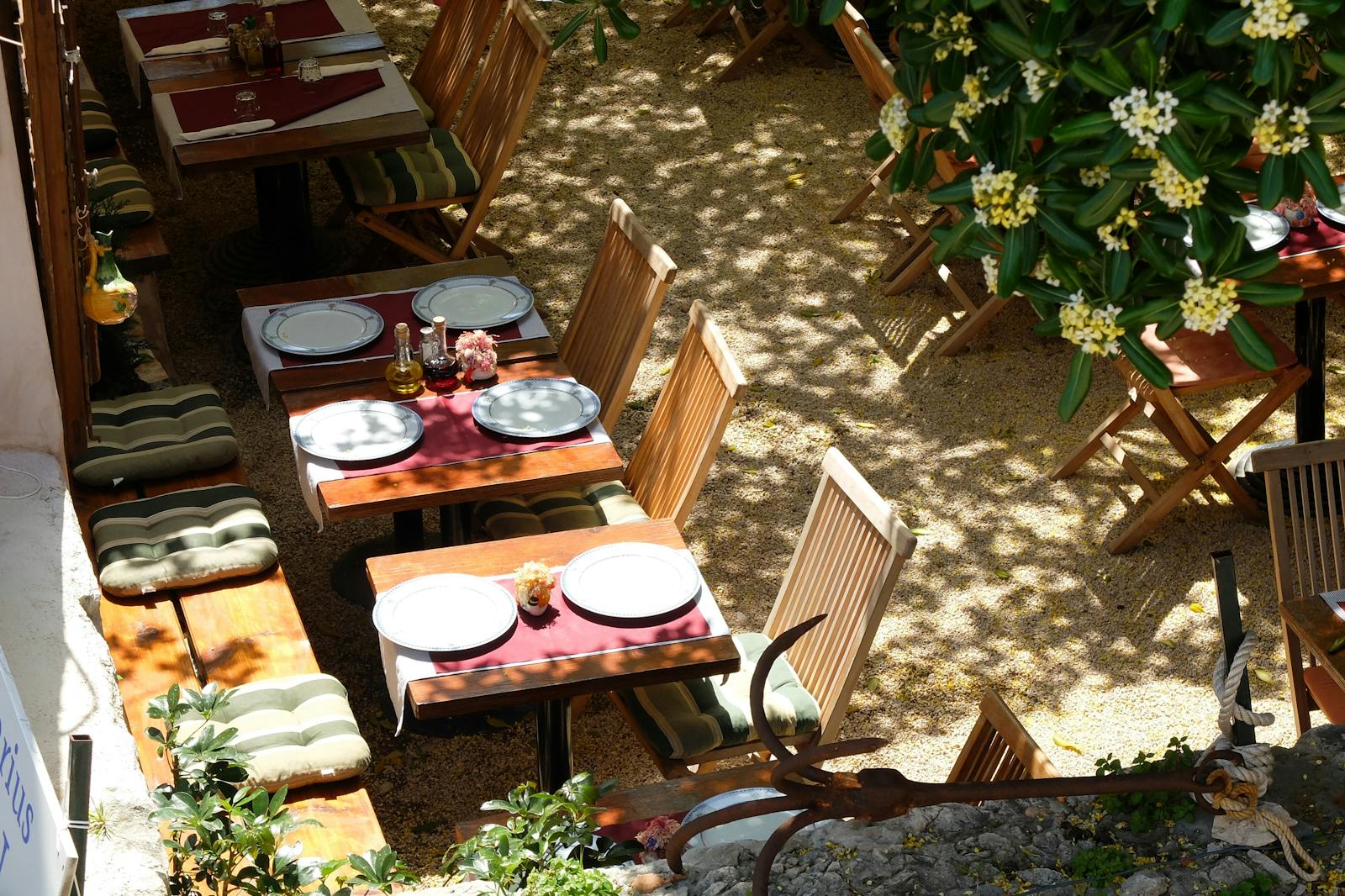
Istria is one of the most commonly recommended regions for people visiting Croatia for the first time. It’s fairly compact, has good infrastructure, plenty of charming small towns, and the atmosphere tends to be calmer than the busiest spots in Dalmatia. Beaches are often pebbly or rocky, but in return you get clear water and beautiful bays. Istria is also a “foodie” region: olive oil, wine, truffles and great konobas (traditional taverns), especially further inland.
Who it’s for: families, couples, people who like sightseeing + beach, food & wine
Highlights: Rovinj, Pula, Poreč, Kamenjak, hilltop towns (Motovun, Grožnjan)
2) Kvarner and the northern islands (Krk, Cres, Rab, Lošinj) – bays, calm and good logistics
Kvarner is a great choice if you want islands without needing “big crossings” or complicated logistics. Krk tends to be very convenient (often chosen by families), Cres and Lošinj offer a wilder, more natural feel, and Rab has a pleasant mix of beaches and small towns. The region works well for car trips, since it’s easy to make day excursions and look for quieter bays. It’s also a great direction if you like snorkelling and swimming in clear water.
Who it’s for: families, people who like bays and islands, a calmer holiday
Highlights: islands and small bays, walking trails, family-friendly towns, boat trips
3) Northern Dalmatia (around Zadar, Šibenik) – balance: cities + nature + islands
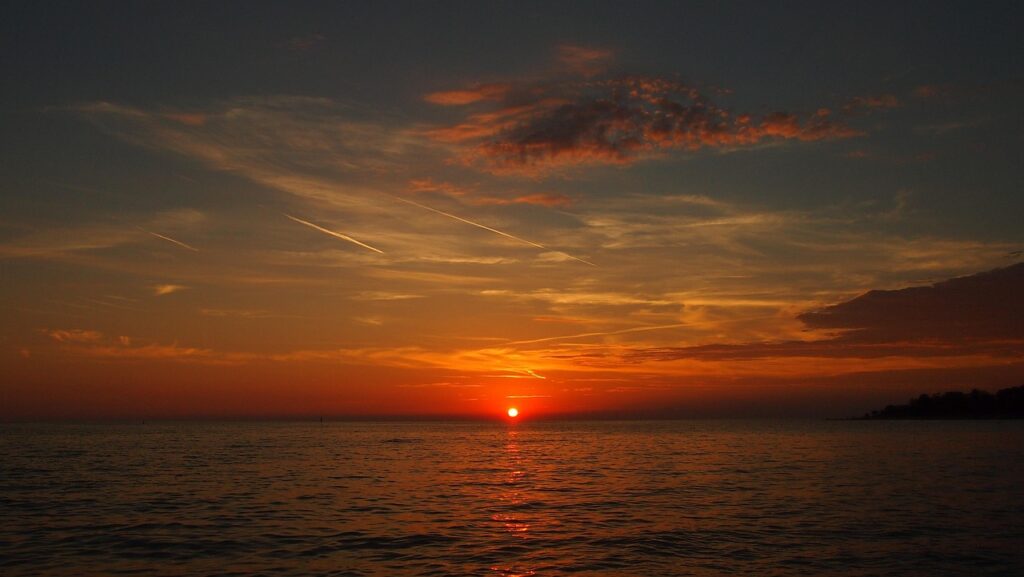
This region often wins as a compromise: interesting cities, beautiful coastline and great options for day trips. Zadar has a nice urban vibe and sunsets, Šibenik is very photogenic, and the surrounding area is full of nature and islands. Northern Dalmatia can also be a good choice if you want to visit national parks and not spend the whole trip on a sun lounger. Logistically, it’s a region that’s friendly for a “base + day trips” style.
Who it’s for: people who like variety, families, road trips “without going overboard”
Highlights: Zadar, Šibenik, islands, boat trips, national park excursions
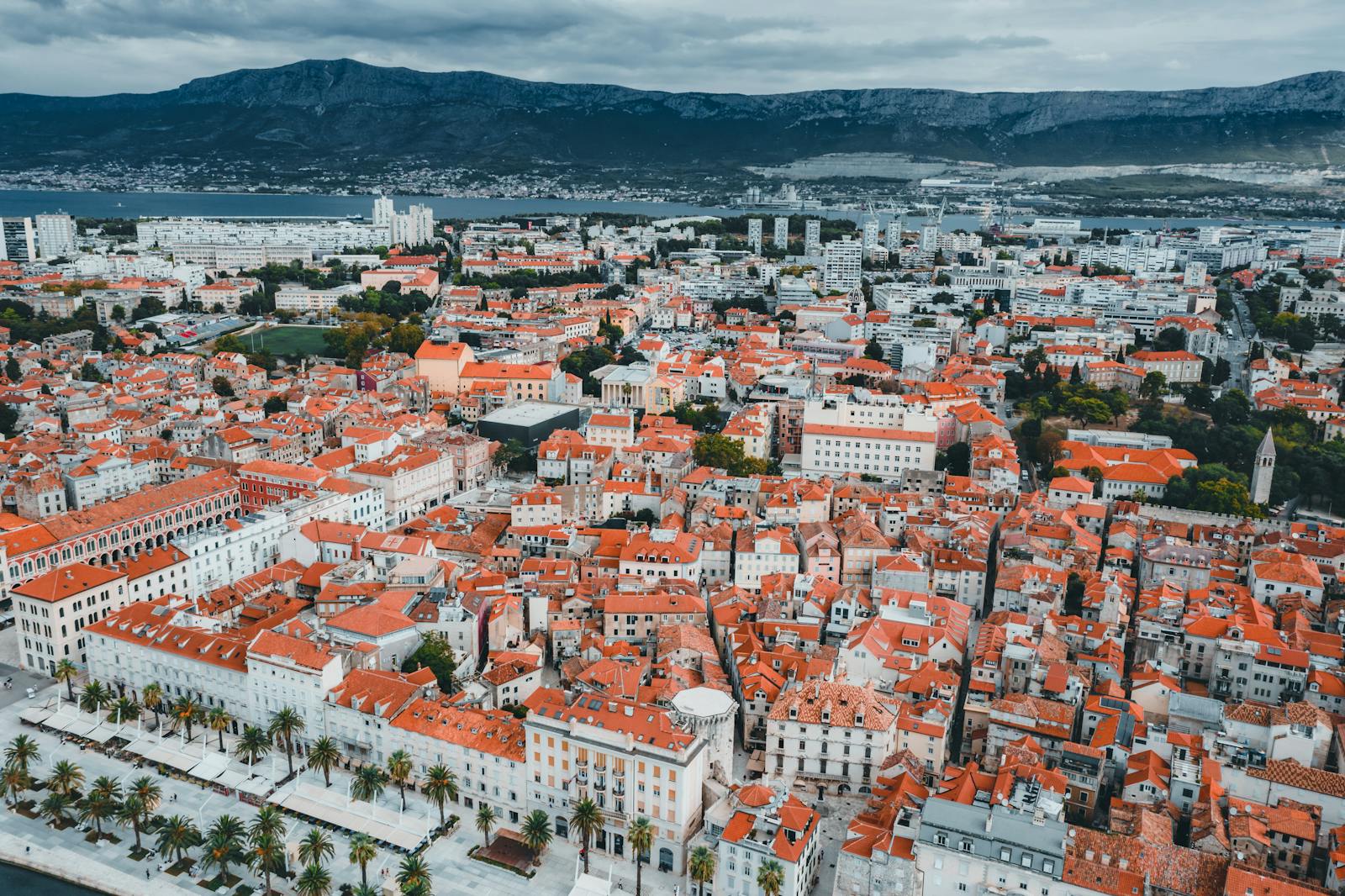
4) Central Dalmatia (Split, Trogir, Makarska and surroundings) – the classic Adriatic
This is the most “iconic” picture of Croatia: Split as a base, Trogir as an architectural gem, plus a riviera of beaches and spectacular views. The region is heavily touristy in season, but also gives you the most options: island trips, boat tours, viewpoints and “any weather” attractions. If you want to feel Croatia’s holiday vibe at full scale, Central Dalmatia is a safe bet — just plan your dates and sightseeing hours carefully at the peak of the season.
Who it’s for: people after a classic seaside holiday, islands, evening life
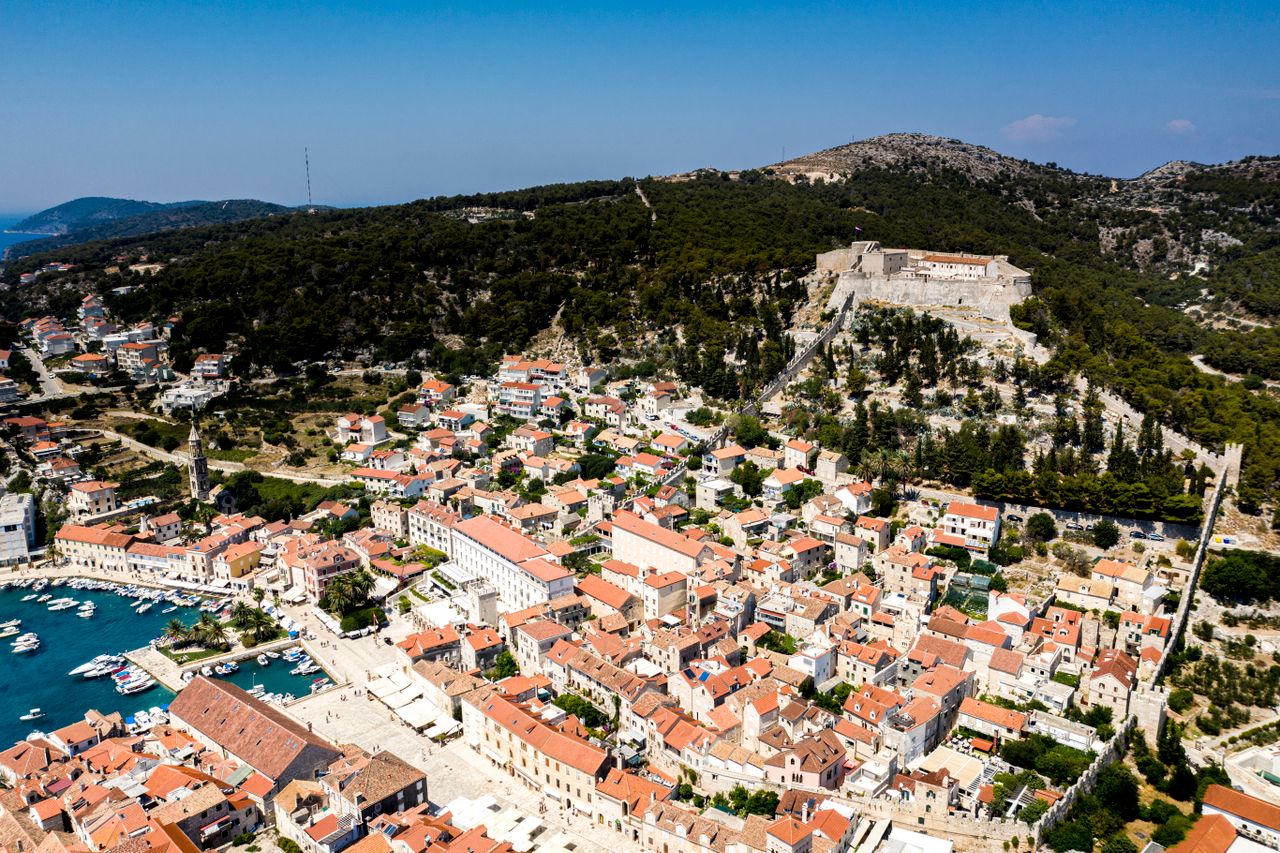
Highlights: Split, Trogir, Makarska, trips to Brač/Hvar, beautiful panoramas
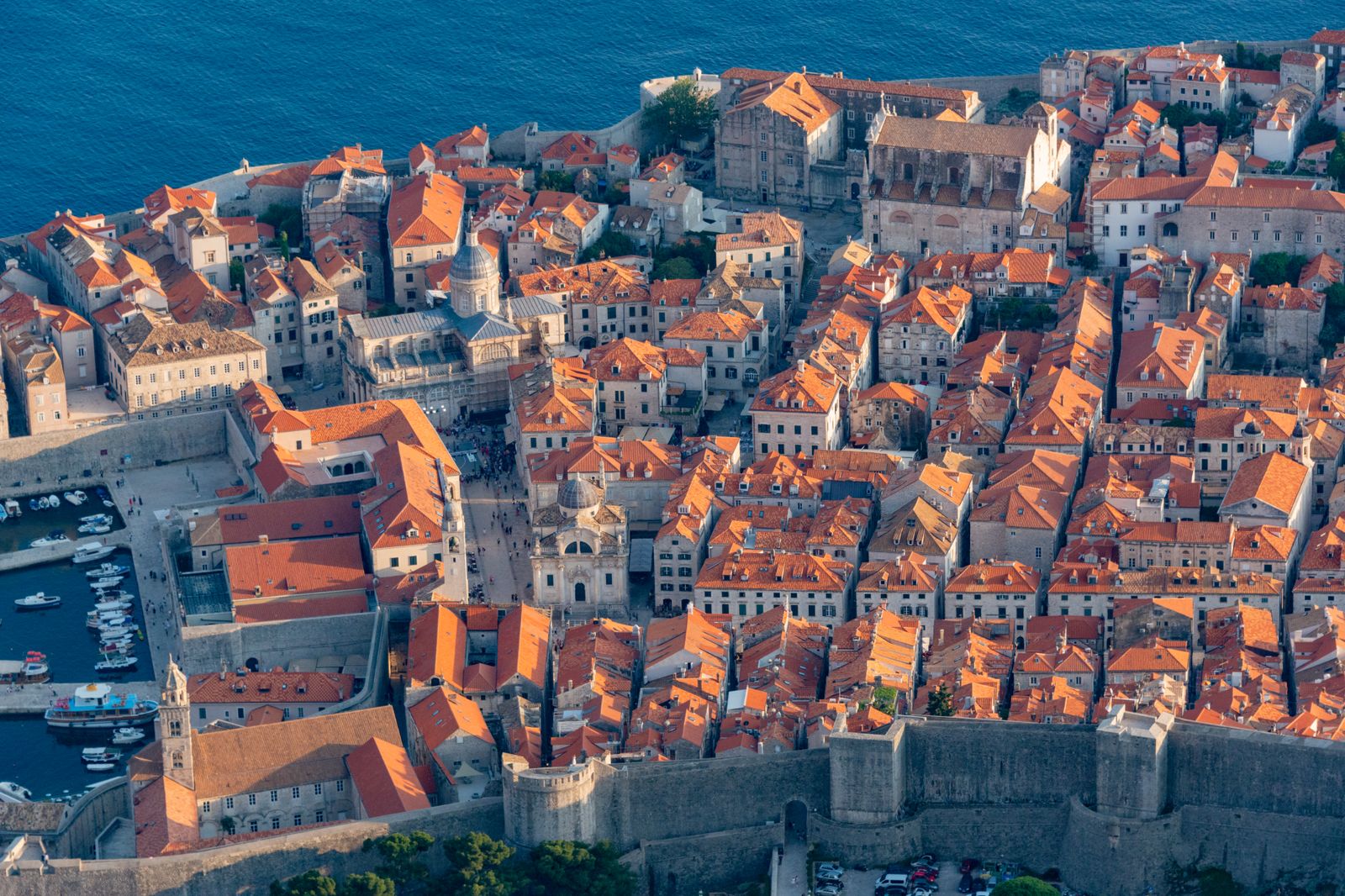
5) Southern Dalmatia (Dubrovnik, Pelješac, Korčula, Mljet) – premium views and a strong atmosphere
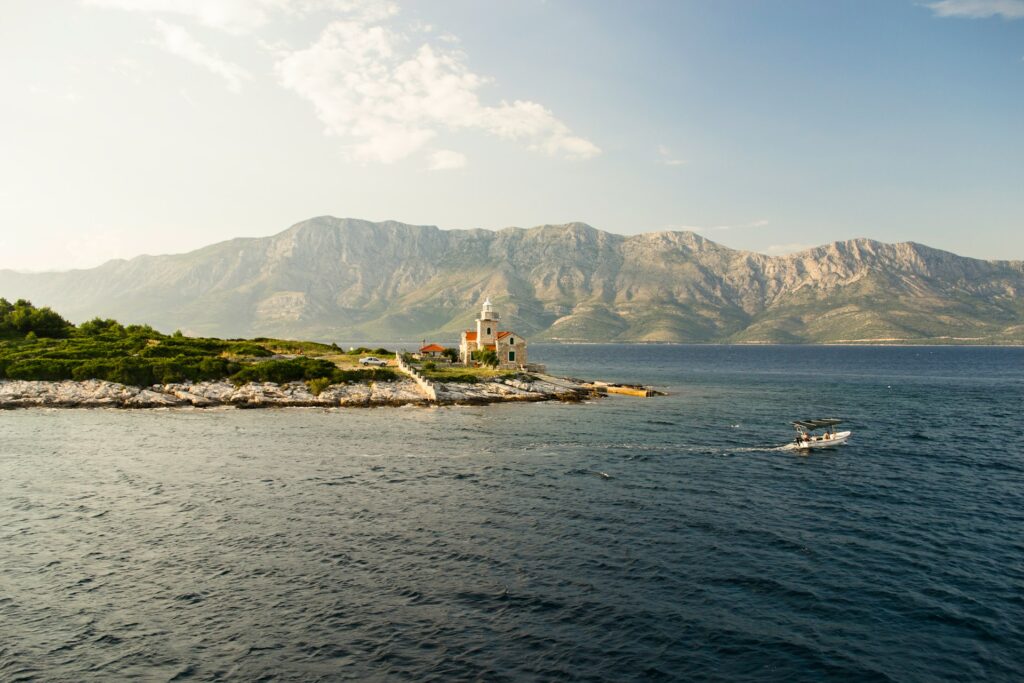
The south of Croatia is exceptional, but often more demanding logistically and budget-wise (especially Dubrovnik). In return you get some of the most beautiful panoramas, great islands and a “wow” atmosphere. Korčula and Mljet are ideal if you like quieter islands and nature, and Pelješac tends to be great for wine lovers and road trippers. This is a region that tastes best at a slower pace and with a sensible accommodation base.
Who it’s for: couples, people who love views and old towns, islands and calmer bays
Highlights: Dubrovnik, Korčula, Mljet, Pelješac, sunsets and atmosphere
6) Continental Croatia (Zagreb, Slavonia, inland regions) – a different Croatia
If you want to see Croatia beyond the “seaside postcard”, the interior is a great complement. Zagreb works well as a city break, and the inland regions offer a more Central European atmosphere, local food and vineyards. It’s also a good place for trips outside the season, when the coast is calmer or less “beach-ready”. The interior appeals to people who enjoy culture, cities and relaxed sightseeing.
Who it’s for: city breaks, off-season trips, culture and regional cuisine
Highlights: Zagreb, vineyards, local festivals, a relaxed pace
Practical section: how to choose a Croatian region for your travel style
1) Quick region picker by need
You want a calm holiday and good food
Usually the winners are Istria or Kvarner (the northern islands).
You want the “most Croatian” views and islands
Aim for Central Dalmatia (Split as a base) or Southern Dalmatia (Korčula/Mljet).
Travelling with children
Istria and Kvarner work great, since it’s easier to find convenient logistics and family-friendly towns.
You want to sightsee a lot and take excursions
Northern Dalmatia (Zadar/Šibenik) works well, or a base in Istria plus trips further inland.
2) When to go, depending on the region
- June and September are usually the best balance across the whole of Croatia: great weather, fewer crowds than in July/August.
- In summer, it tends to be hottest and busiest in Dalmatia (Split, Dubrovnik and the islands).
- Spring and autumn are wonderful for Istria and the interior (sightseeing, food, wine, a calmer pace).
3) Car or no car – how it affects your choice of region
Without a car, it’s easiest in the bigger cities and their surroundings (Split, Zadar, Dubrovnik, Pula), where you have more connections and organised trips. If you want to explore bays “off the beaten path” and smaller towns, a car gives you a big advantage in every region. You can travel to the islands comfortably without a car, but it’s better to pick one island as a base rather than making many transfers.
4) Budget: where it’s usually easier, and where it’s pricier
The most expensive dates and locations are usually July–August and the top cities (especially Dubrovnik). It’s more budget-friendly in smaller towns next to the “hits” and outside peak season. Istria and Kvarner often let you find good standard for reasonable money if you book early. The best budget strategy across all of Croatia is a base + day trips instead of changing accommodation every day.
Summary
Croatia’s regions differ in climate, pace and character, which is why choosing a place is the most important decision before your trip. Istria and Kvarner offer calm, great food and convenient logistics, Dalmatia has the most “postcard” views and islands, and the interior shows Croatia in a more urban, local version. If you match the region to your style (beach vs. sightseeing, calm vs. energy, car vs. no car), the holiday will be easier and more satisfying. Croatia rewards those who plan wisely — and then let themselves slow down and enjoy the place.
Looking for a place to stay in Dalmatia?
Vetted apartments with no commission
Discover more inspiration for an unforgettable holiday in Croatia with Adriamore
Since you’re here, read this one too. We hope this article was useful — and if you feel like reading a bit more before you close the tab, these articles keep a similar vibe.